Impressionism: Painting Light and Modern Life
The origins, techniques, artists and legacy of Impressionism, the movement that transformed painting through colour, observation and contemporary subjects.
- Impressionism
- Claude Monet
- Pierre-Auguste Renoir
- Edgar Degas
- Camille Pissarro
- Berthe Morisot
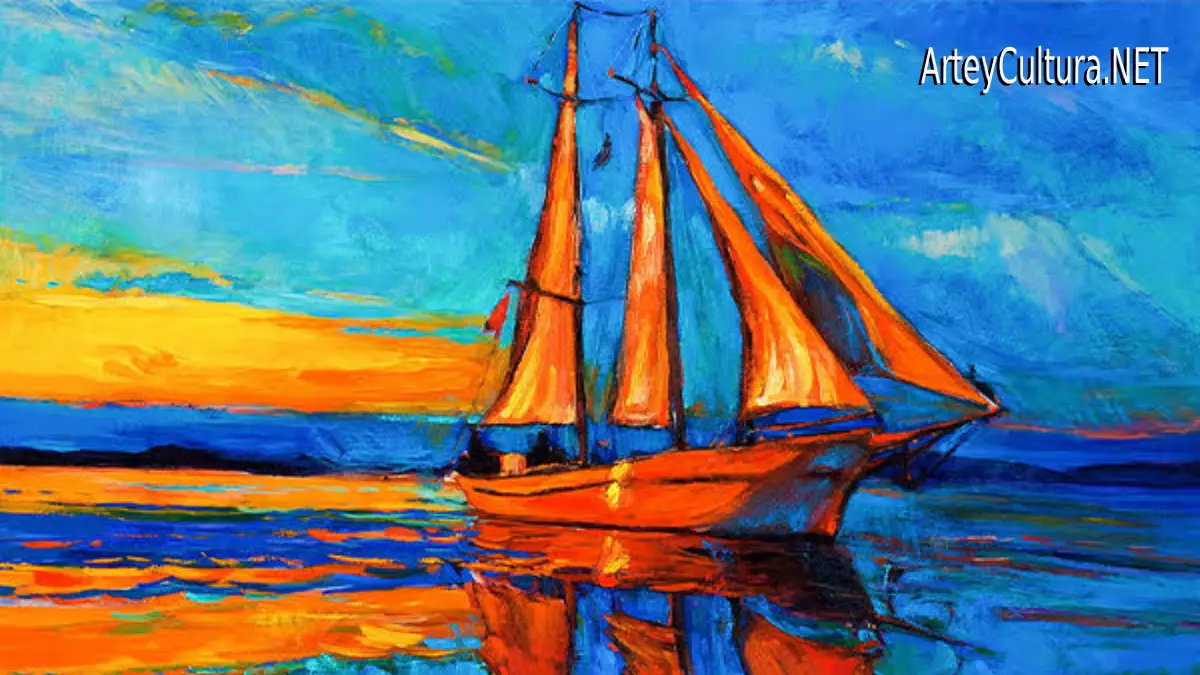
Impressionism emerged in France during the second half of the nineteenth century. Its artists challenged dependence on the official Salon and sought to represent changing light, immediate perception and modern life. Paintings first mocked as unfinished eventually transformed how artists and audiences understood vision.
The academic system
Official education favoured historical, mythological and religious subjects, precise drawing and polished surfaces. The Salon jury controlled access to the most important public exhibition. Rejection could damage a career, so independent display became both an artistic and an economic necessity.
The exhibition of 1874
Monet, Renoir, Degas, Pissarro, Morisot, Sisley and others mounted an independent exhibition in the former studio of photographer Nadar. A critic used the title of Monet’s Impression, Sunrise mockingly, and “Impressionists” became the label by which a varied group entered history.
They did not all share one method. Degas preferred many interior subjects and resisted the idea that painting outdoors defined the movement. Their common ground lay partly in exhibition independence and a refusal of fixed academic hierarchy.
Painting outdoors
Portable paint tubes and expanding railways made direct work before a landscape easier. Artists could register shifts of weather and hour. Not every canvas was completed outdoors, but sustained observation changed palette, composition and the treatment of shadow.
The Impressionist Revolution
This English lecture from the National Gallery of Art examines the movement between 1874 and 1886, the years of its eight independent exhibitions. It places stylistic innovation beside the practical decisions required to exhibit outside official structures. Impressionism becomes an institutional revolution as well as a visual one.
Colour, shadow and visible brushwork
Rather than darkening every shadow with black, many Impressionists used blues, violets and complementary colours. Separate strokes interact at viewing distance and produce optical vibration. The visible mark records the act of looking, allowing a surface to remain paint while also suggesting atmosphere and depth.
City, leisure and labour
Railways, boulevards, cafés, theatres and parks entered painting. Modernity included consumption and entertainment but also work, class and rapidly redesigned urban space. The movement was never limited to untouched nature; it observed a society transformed by industrialization.
Women at the centre of Impressionism
Berthe Morisot and Mary Cassatt were central participants, although social restrictions affected where they could work and how critics judged them. Their art expanded representations of intimacy, care, spectatorship and female autonomy without fitting neatly into the dismissive category of “domestic painting.”
A guided National Gallery survey
This English program uses works in the National Gallery to compare artists and techniques. Close views clarify how a broken stroke resolves at distance, while the broader survey distinguishes landscape, portraiture and scenes of modern leisure. The format is particularly useful for viewers learning to see differences beneath a familiar label.
Manet and the limits of the group
Édouard Manet was a decisive example and friend but never exhibited with the Impressionists. Van Gogh and Gauguin belonged to a later generation usually described as Post-Impressionist. These distinctions prevent every brightly coloured modern painting from being collapsed into one movement.
Achievements and legacy
- The group created independent alternatives to official exhibition systems.
- Its artists transformed the study of light, colour and atmospheric change.
- Contemporary leisure, labour and urban space became major subjects.
- Visible brushwork gained expressive and structural value.
- The movement opened paths toward Post-Impressionism and modern art.
Impressionism changed painting by making perception itself a subject. Its works remind us that looking does not freeze the world; it experiences how the world changes from one moment to the next.