Liberty Leading the People: Attack, Conservation and Recovery
The 2013 marker attack on Liberty Leading the People by Delacroix, its rapid conservation treatment and the challenge of protecting art in public museums.
- Eugène Delacroix
- Liberty Leading the People
- art conservation
- museum security
- vandalism
- French Romanticism
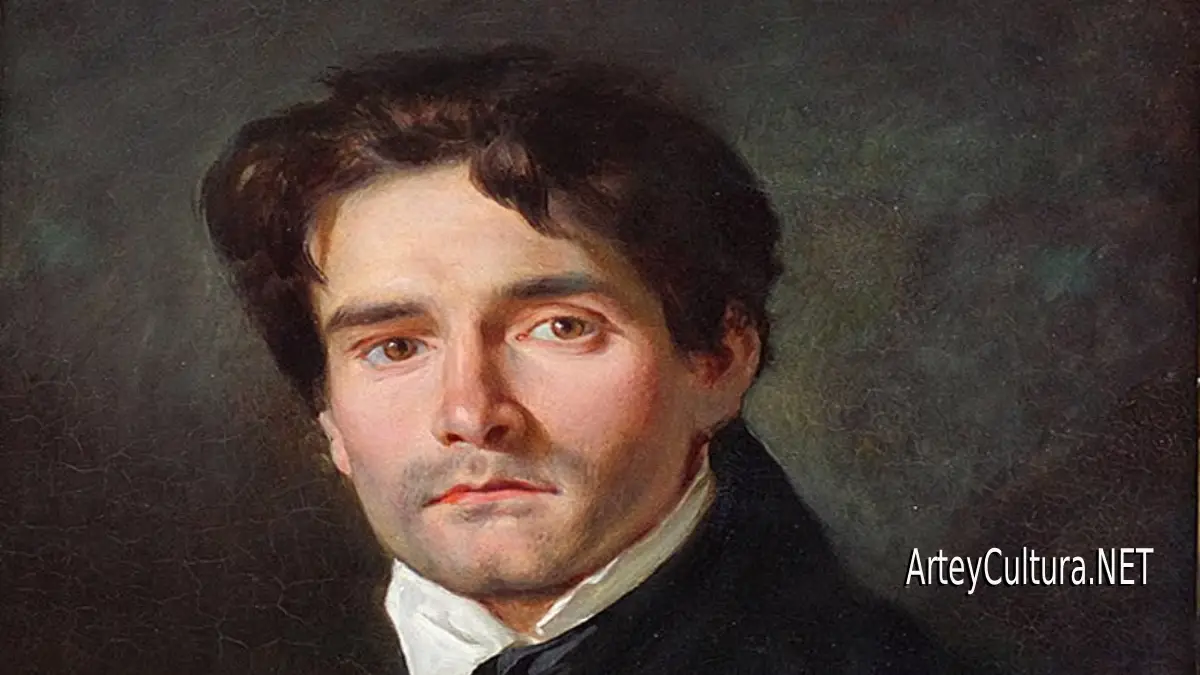
On February 7, 2013, a visitor used a marker to write on Liberty Leading the People by Eugène Delacroix while the painting was displayed at the Louvre-Lens. The inscription affected a limited area. Conservators examined and removed it rapidly, leaving no visible permanent damage.
The painting at the centre of the case
Delacroix painted the work in 1830 in response to the July Revolution in Paris. An allegorical figure of Liberty advances across a barricade with people from different social groups. The composition joins current event, political symbol and the monumental scale traditionally associated with history painting.
The image later became a broad emblem of revolution, sometimes detached from the specific uprising that produced it. Understanding that context protects the painting from becoming only a reproducible icon.
Eugène Delacroix
Ferdinand-Victor-Eugène Delacroix was born in Charenton-Saint-Maurice on April 26, 1798, and died in Paris on August 13, 1863. A central figure of French Romanticism, he used colour, movement and dramatic contrast to create an energy that influenced later painters, including the Impressionists.
What happened in 2013
The visitor wrote “AE911” near the lower portion of the canvas. Museum staff and another visitor intervened, and police detained her. The letters referred to a group promoting conspiracy theories about the attacks of September 11, 2001.
Reporting the inscription is necessary to explain the event, but its message should not displace attention from the damaged cultural work or turn vandalism into an easily imitated spectacle.
News of the successful treatment
This English report documents the incident and the rapid conservation response. It shows the physical proximity between visitor and painting that makes museums meaningful while also creating risk. Public access and protection must be balanced rather than treated as mutually exclusive choices.
Why conservators could act quickly
Specialists identified the ink, inspected the varnish and tested the surface. Because the marker had not penetrated deeply, controlled treatment could remove it. A successful cleaning is never improvised: an unsuitable solvent might dissolve varnish, glaze or original paint along with the unwanted material.
Document before intervention
Conservation begins with photographs, written assessment and material analysis. The objective is the smallest safe action. Every treatment should be recorded so future specialists know what was found, what was changed and which substances were used.
Why the painting can be dangerous
This English art-historical film returns attention to the painting’s political and visual force. It examines how bodies, diagonals, colour and the direct advance of Liberty draw the spectator into the barricade. Understanding the work makes clear why it remains powerful enough to attract both celebration and attempted appropriation.
Security without turning art into a barrier
Glazing, distance, sensors and guards can reduce risk but may alter how a painting is seen. Museums assess size, value, fragility, exhibition history and gallery conditions. No single protective measure suits every object, and visible restriction should be proportionate to documented risk.
Lessons from the case
- Rapid, trained response can prevent permanent damage.
- Only conservators should remove substances from an artwork.
- Documentation must precede and accompany treatment.
- Museum access and security require continuous reassessment.
- The artwork deserves more lasting attention than the attacker.
The episode ended without irreversible loss, but it remains instructive. Protecting shared heritage requires technical preparation, discreet vigilance and the ability to respond calmly when the unexpected occurs.