Sotheby's 2013: Latin American Art Between Market and Heritage
A critical guide to Latin American art auctions, examining price, provenance, authenticity, Pre-Columbian objects and cultural responsibility.
- Sotheby's
- Latin American art
- art auctions
- art market
- provenance
- Pre-Columbian art
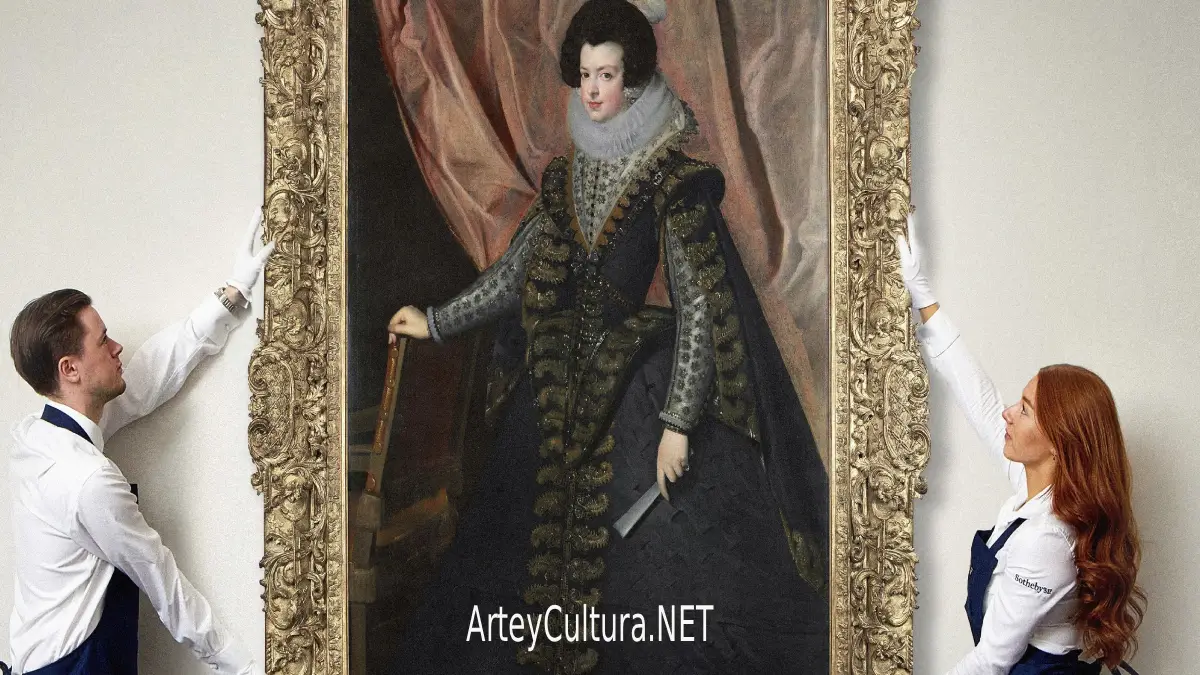
In 2013, international sales of Latin American art brought modern painting, contemporary work and Pre-Columbian objects before collectors from many countries. Headline prices attracted attention, yet an auction also raises harder questions about authenticity, provenance, conservation and cultural rights.
How an auction works
An auction house receives property from consignors, researches the available evidence, proposes estimates, prepares a catalogue and conducts bidding. A reserve may establish the minimum acceptable result. If bidding reaches it, the lot is sold; the buyer normally pays a premium and sometimes additional taxes or fees beyond the hammer price.
Catalogue entries are commercial and scholarly documents at once. They may include attribution, exhibition history, bibliography and ownership, but every statement must still be evaluated according to its wording and supporting evidence.
Price is not cultural value
Market price responds to rarity, authorship, condition, fashion, ownership history and competition between bidders. Cultural value includes historical, spiritual and community meanings the market cannot measure. A record result does not automatically establish artistic importance, and a low estimate does not make an object insignificant.
Behind a Latin American art exhibition
This English Sotheby’s film looks behind the scenes of a Latin American art exhibition. Installation, lighting and specialist interpretation all shape how potential buyers encounter a work. The video is useful because it makes visible the act of presentation: markets do not discover value neutrally; they build narratives and hierarchies around objects.
The central question of provenance
Provenance is the documented history of ownership and movement. Invoices, inventories, photographs, customs records and export permits help establish whether a work reached the market legally. A gap does not always prove wrongdoing, but it increases uncertainty and demands further research.
The issue is especially serious for archaeological objects. Illicit excavation destroys context—the relationship between an artefact, its site and neighbouring evidence. Even if the object survives physically, knowledge that could never be recreated has been lost.
Pre-Columbian art and law
Many Latin American nations protect archaeological material as national heritage. Rules vary by jurisdiction and historical date, so responsible trade requires checking ownership, export, import and applicable international agreements. Inclusion in a prestigious catalogue does not by itself resolve every legal or ethical concern.
A view of New York sales
This English AP Archive preview surveys Latin American works offered by New York auction houses. It records how specialists connect objects with artists, periods and collector demand. Watched critically, it also invites questions about which countries and movements receive attention and how financial estimates influence the story told about them.
Authenticity and condition
Specialists examine materials, technique, signatures, restoration and comparable works. Scientific analysis can support an attribution, but conclusions may change when new evidence appears. A condition report records visible alterations and damage; buyers must understand its scope and seek independent advice when risk justifies it.
Private collections and public access
Private collectors can conserve, lend and research art, but ownership can also remove works from public view. Museums compete with buyers who have far greater resources. Institutional acquisitions therefore require transparent provenance standards, especially when an object may be connected with looting, coercive sale or illegal export.
A responsible checklist
- Verify ownership history and unexplained gaps.
- Examine export and import documentation.
- Review condition, restoration and attribution language.
- Understand premiums, taxes and sale conditions.
- Consider claims by countries, communities or previous owners.
Auctions make the economic circulation of art unusually visible. Reading them responsibly means looking beyond the winning bid and asking how each object arrived, what knowledge it still carries and whose history is being sold.