Spanish Art on Paper: From the Renaissance to Goya
Spanish drawing as a laboratory of ideas through works by Ribera, Murillo, Alonso Cano and Goya preserved in major international collections.
- Spanish drawings
- works on paper
- Francisco Goya
- José de Ribera
- Bartolomé Murillo
- Alonso Cano
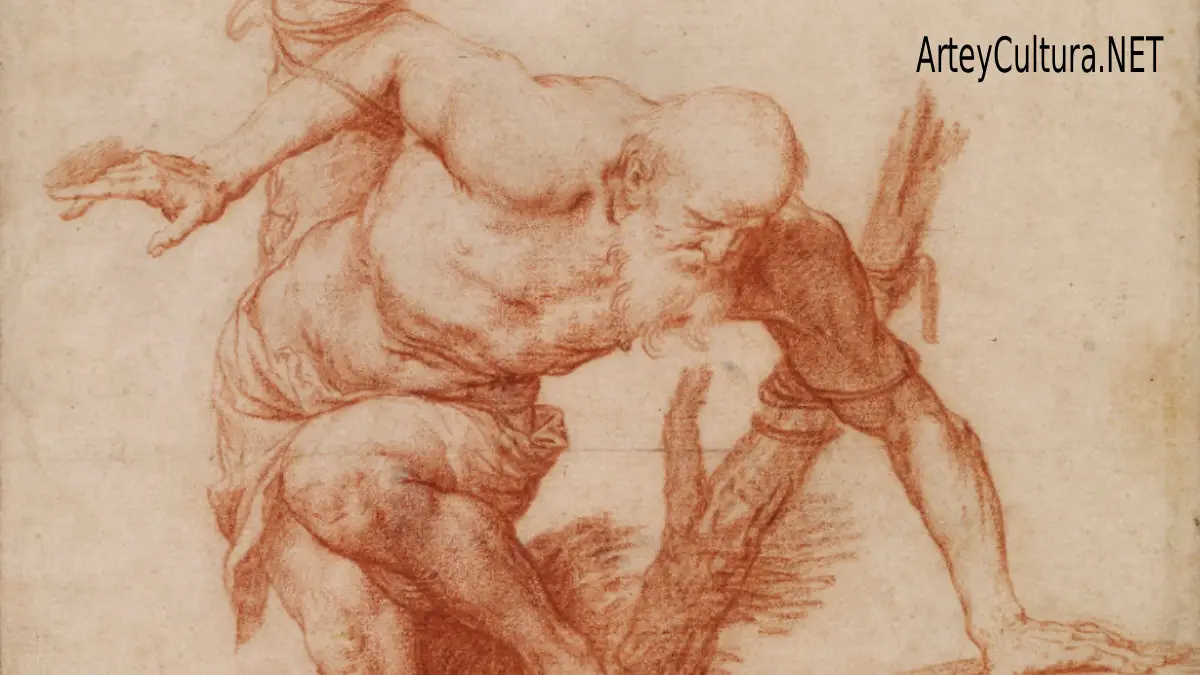
Drawing is one of the most immediate records of artistic thought. Before a painting, sculpture or altarpiece, a line may test a pose, correct a proportion or preserve an idea. Spanish works on paper from the Renaissance to Goya reveal that process, but they also demonstrate that drawing can be an independent language rather than only preparation for something larger.
Collections formed beyond Spain
The British Museum and other international institutions hold substantial groups of Spanish drawings and prints assembled over generations. British and European interest grew especially during the eighteenth and nineteenth centuries, when collectors began valuing sheets that had once remained in workshops, albums and archives.
Their movement raises questions about provenance and historical collecting practices. It also enables exhibitions to reconnect drawings temporarily with paintings and sculptures preserved in Spain.
The fragile life of paper
Paper, inks and washes respond to light, humidity and handling. Museums therefore display works on paper for limited periods under controlled illumination. Preventive conservation explains why many sheets spend most of their lives in storage and appear in carefully planned rotations.
That fragility changes the viewing experience. A small drawing asks the visitor to slow down, approach closely and follow the hand’s movement rather than step back from a monumental composition.
The Spanish Manner
This English introduction from the Frick Collection examines drawings from Ribera to Goya. Curatorial commentary demonstrates how attribution, technique and purpose can be read through the pressure of a line, the distribution of wash and the physical history of a sheet. An exhibition becomes an argument built from close looking.
Drawing to prepare
A preparatory study can resolve anatomy, light, movement and composition. Grids, corrections and overlapping contours are not defects. They preserve a moment when the solution remained open and allow us to reconstruct decisions concealed by the apparent unity of a finished painting.
Some sheets were transferred, copied or kept as workshop references. Others served to communicate a design to patrons and assistants. Function affects appearance, so a rapid pen sketch should not be judged by the expectations applied to a presentation drawing.
Ribera, Cano and Murillo
José de Ribera used forceful line and dramatic contrast. Alonso Cano, active as painter, sculptor and architect, thought across several media. Bartolomé Esteban Murillo produced studies of remarkable fluency and atmosphere. Their differences complicate any simple label such as “Spanish Baroque.”
From Renaissance to Goya
This English exhibition film from the Art Gallery of New South Wales surveys Spanish prints and drawings across several centuries. It makes technique visible and shows how artists borrowed, transformed and circulated imagery. The sequence also clarifies the growing autonomy of works made directly for albums, collectors or print publication.
Goya and the independent drawing
With Francisco de Goya, drawing achieves extraordinary critical freedom. Albums and private sheets confront violence, superstition, ageing, desire and absurdity. A caption may cooperate with an image or destabilize it. The line no longer prepares another work; it observes and judges on its own terms.
Provenance, attribution and study
Every sheet acquires a later biography through sales, mountings, inscriptions and changing collections. Paper analysis, watermarks, infrared examination and comparison can clarify date and authorship. Provenance research also reveals how particular ideas of “Spanish art” were constructed by dealers, scholars and museums.
What works on paper contribute
- They preserve experimentation, revision and the speed of thought.
- They reveal distinct functions and techniques within artistic workshops.
- They encourage cooperation among international collections and researchers.
- They make the conservation of light-sensitive materials publicly understandable.
Art on paper brings viewers close to invention. A hesitant line or visible correction can reveal as much about a master as the seamless surface of a celebrated painting.