Maria Sibylla Merian: Art, Science and Metamorphosis
The life and legacy of Maria Sibylla Merian, the naturalist and artist who studied living insects and documented metamorphosis with scientific and visual precision.
- Maria Sibylla Merian
- natural history
- scientific illustration
- entomology
- metamorphosis
- Suriname
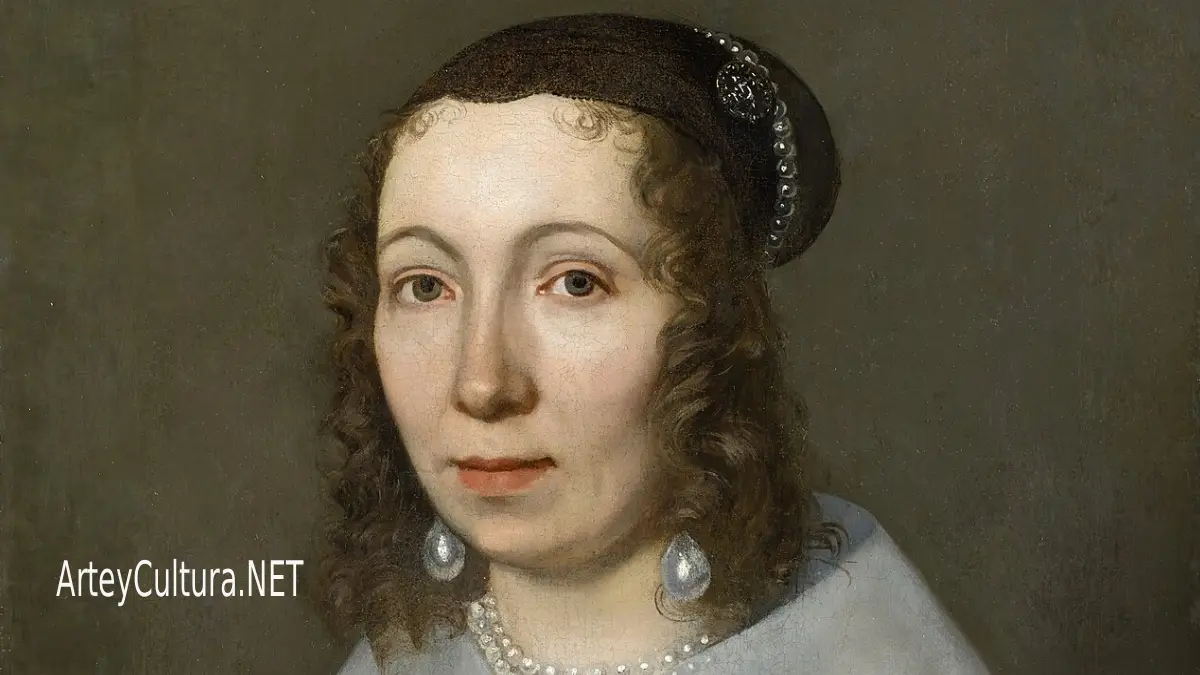
Maria Sibylla Merian was born in Frankfurt on April 2, 1647, and died in Amsterdam on January 13, 1717. A naturalist, artist, publisher and traveller, she studied insects through direct observation. Her plates placed eggs, larvae, pupae, adult insects and their host plants within a single composition, making change and ecological relationship visible.
Growing up among images
Merian belonged to a family connected with printing and publishing. After her father’s death, her mother married flower painter Jacob Marrel, who encouraged her training. She learned drawing, watercolor, engraving and flower painting in an environment where artistic practice and the production of books were closely linked.
Observing living insects
From adolescence she raised silkworms and collected caterpillars. She recorded what they ate, when they moulted and how their bodies changed. This patient method challenged lingering beliefs about spontaneous generation and replaced isolated specimens with evidence of a life cycle.
Publishing as a form of independence
Merian produced flower books and volumes devoted to caterpillars. She designed compositions, prepared images and participated in publishing and sales. Visual beauty supported scientific understanding, while the circulation of her books helped sustain professional independence unusual for a woman of her period.
The woman who changed science
This English film from BBC Ideas uses animation based on Merian’s own illustrations to explain her method. Its clearest lesson is that she represented insects alongside the plants on which they depended. Natural history became a record of living relationships rather than a cabinet of disconnected forms.
The expedition to Suriname
In 1699, at the age of 52, Merian travelled with her daughter Dorothea Maria to Suriname, then a Dutch colony. Such a self-directed scientific journey was exceptional. She studied species, gathered information and relied on local knowledge. The expedition also took place within a colonial slave society, a context that must remain visible when evaluating how European natural history was produced.
Illness forced her to return earlier than planned, but the observations and specimens became the basis of her most celebrated publication.
Metamorphosis of the Insects of Suriname
Published in 1705, the large-format book presented insects and plants from Suriname in dramatic colour compositions. Some individual claims were later corrected, as happens in developing science, but the underlying method was remarkably advanced: identify stages, food sources and interactions through sustained observation.
Reading a single metamorphosis
In this English Smarthistory conversation, specialists examine Merian’s image of a small emperor moth on a damson plum. Close attention reveals how one sheet combines accurate morphology with a carefully directed path for the eye. The branch is both habitat and compositional structure; art does not conceal information but makes relationships intelligible.
Daughters, workshop and authorship
Her daughters Johanna Helena and Dorothea Maria participated in artistic and publishing work. Their collaboration raises important questions about attribution in a family workshop. Recent scholarship has paid greater attention to the contributions that conventional single-author histories often leave unnamed.
Final years and recognition
A stroke restricted Merian’s movement late in life. She died in Amsterdam at 69. Her work has since been honoured through exhibitions, publications, scientific names, schools and public memorials. More importantly, it continues to influence how artists and scientists communicate ecological process.
Achievements and legacy
- She documented complete insect life cycles through direct observation.
- She connected insects with host plants, food and habitat.
- She integrated science, drawing, engraving and publishing.
- She undertook an independent research expedition to Suriname.
Maria Sibylla Merian demonstrated that patient looking can change knowledge. Her images remain compelling because they present nature as transformation and interdependence, never as a motionless inventory.