Gastón Acurio: Peruvian Cuisine, Identity and Transformation
The life and career of Gastón Acurio, the chef who helped give Peruvian gastronomy an international presence while connecting cuisine with producers and identity.
- Gastón Acurio
- Peruvian cuisine
- Astrid y Gastón
- gastronomy
- Mistura
- Astrid Gutsche
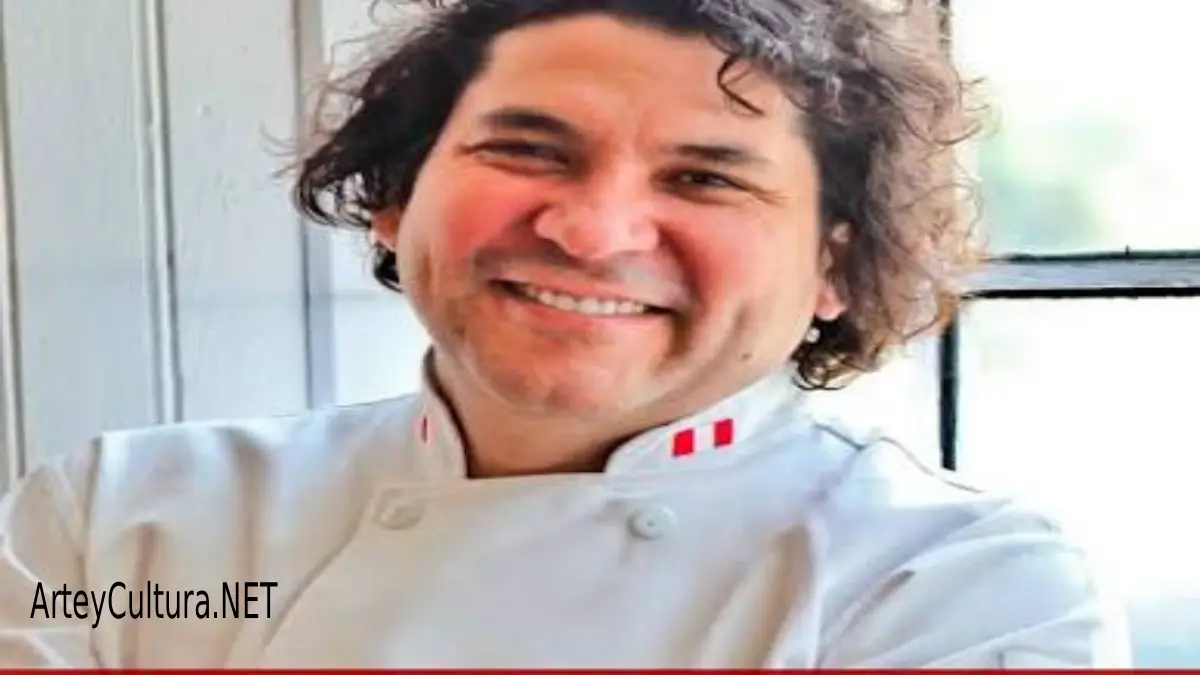
Gastón Álvaro Acurio Jaramillo was born in Lima on October 30, 1967. A chef, restaurateur, author and communicator, he became a central figure in the international recognition of Peruvian gastronomy. His most important contribution extends beyond individual restaurants: he helped audiences see food as a cultural chain joining farmers, fishers, market traders, traditional cooks and new professionals.
From law school to the kitchen
Acurio travelled to Spain to study law, following family expectations, but chose culinary training instead. He continued his education in Paris, where he met German pastry chef Astrid Gutsche, who became his wife and creative partner.
Changing careers was not a shortcut to fame. It required technical discipline, kitchen work and the difficult decision to acknowledge a vocation different from the one planned for him.
Astrid y Gastón
The couple opened their first restaurant in Lima in 1994. Its early cooking showed a strong French influence, but the menu gradually turned toward Peruvian ingredients, memories and regional techniques. That evolution paralleled a broader cultural movement that reclaimed products and culinary knowledge once dismissed as ordinary or provincial.
A conversation between chefs
In this English interview, Acurio and chef Diego Muñoz discuss the ideas behind their work. Their exchange makes clear that a major restaurant depends on collective intelligence: cooks, pastry teams, servers, researchers and suppliers all participate in translating a culinary vision into a consistent experience.
Peru is not a single cuisine
The phrase “Peruvian cuisine” contains coastal, Andean and Amazonian traditions as well as Indigenous, European, African, Chinese and Japanese contributions. Acurio used restaurants, television, books and public talks to make that diversity visible. The strongest version of his message does not reduce a country to ceviche; it encourages diners to understand origins, seasons and the people who sustain every ingredient.
Mistura and the public stage
The Mistura food festival brought renowned restaurants, market cooks, bakers and producers into one large public event. Its cultural significance lay in placing forms of knowledge with very different social prestige on a shared stage. It also opened necessary debates about sustainability, representation and whether the economic benefits of culinary success reach the communities whose traditions make it possible.
Latin America’s restaurant movement
This English-language interview, recorded in the context of Latin America’s 50 Best Restaurants, situates Acurio within a regional transformation. He describes cuisine as cooperation and cultural confidence rather than a contest between celebrity chefs. The video is valuable because it connects restaurant recognition with responsibility toward a larger culinary ecosystem.
Enterprise, media and education
Projects associated with Acurio expanded to several countries and explored formats ranging from fine dining to popular dishes. Television series such as Aventura culinaria introduced broad audiences to markets, neighbourhood establishments and producers. He also promoted professional training for young people and presented cooking as a viable vocation linked to cultural stewardship.
Expansion carries obligations. Fair working conditions, transparent supply chains and respect for community knowledge determine whether culinary promotion becomes durable development or merely branding.
Recognition
Acurio has received major international honours, including the Prince Claus Award and lifetime-achievement recognition for his culinary influence. Awards measure visibility, but his broader impact can be seen in Peru’s increased gastronomic confidence and in the international demand for ingredients, techniques and stories from across the country.
Achievements and legacy
- He helped establish Peruvian gastronomy on the international cultural map.
- He strengthened the public connection between cuisine, producers and national diversity.
- He created restaurants, books, broadcasts, educational initiatives and festivals.
- He demonstrated that food can operate as cultural memory and economic opportunity.
Gastón Acurio made cuisine part of a national conversation. The continuing test of that legacy is whether recognition also reaches the people who cultivate, fish, cook and transmit knowledge far from celebrated dining rooms.