Raúl García Zárate: Ayacucho Guitar on the Concert Stage
The life, technique and legacy of Raúl García Zárate, the Peruvian master who carried Andean guitar traditions from Ayacucho to international audiences.
- Raúl García Zárate
- Andean guitar
- Ayacucho
- huayno
- Peruvian music
- instrumental guitar
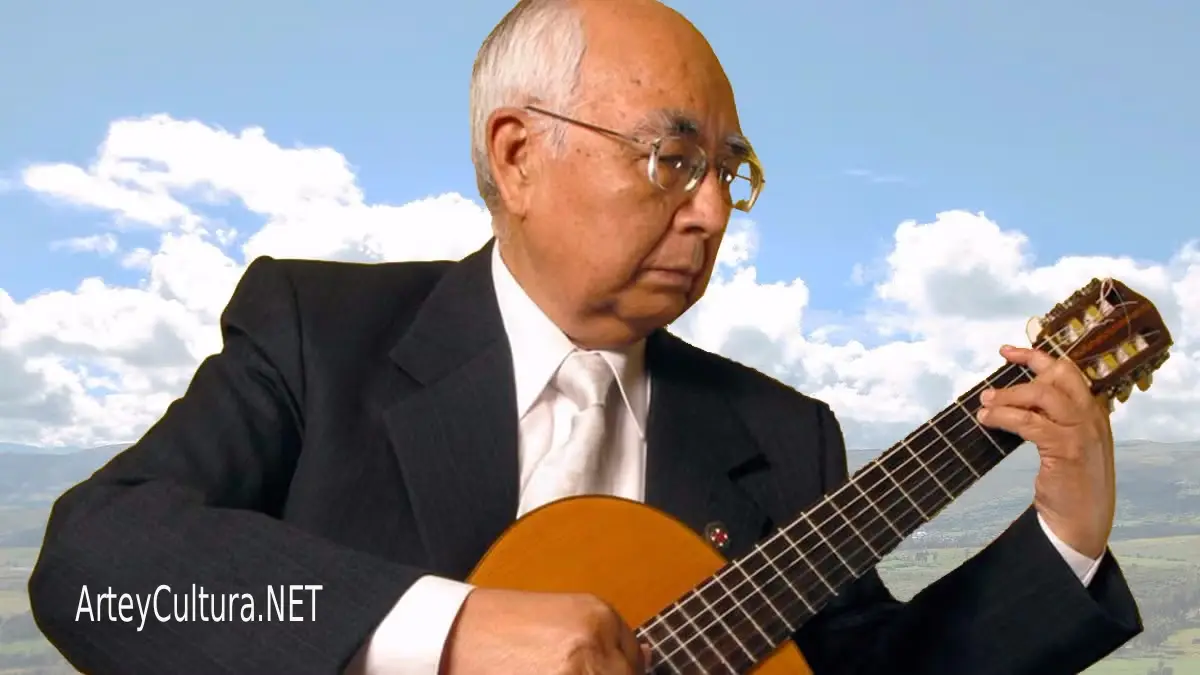
Raúl García Zárate was born in Ayacucho on 12 December 1931 and died in Lima on 29 October 2017. Guitarist, arranger and lawyer, he transformed regional Andean repertory into concert music without separating it from community memory.
Learning in Ayacucho
García Zárate learned within a musical environment of huaynos, dances, religious celebrations and family performance. The guitar in Ayacucho accompanied song and social life; technique served a repertory known through listening before formal notation.
Technique serving repertory
His solo arrangements make one guitar suggest melody, bass, inner voices and percussion. Alternate tunings, precise articulation and rhythmic independence enlarge the instrument without disguising its identity.
Virtuosity remains subordinate to phrasing. A melody must retain the accents and breath of the sung or danced form from which it comes.
Law and music
García Zárate pursued a legal career alongside music. The double profession challenges the romantic image of an artist detached from ordinary institutions. Discipline and public service existed beside performance and research.
From regional settings to the world
Concerts and recordings brought Ayacucho guitar to national and international stages. Presentation in formal halls did not “elevate” an inferior tradition; it required audiences to recognise complexity already present in the music.
Memory during violence
Ayacucho suffered deeply during Peru’s internal armed conflict. Within that context, preserving repertory became an act of cultural continuity. Music could not undo violence, but it protected forms of belonging that violence threatened.
Recognition
García Zárate received major distinctions in Peru and abroad. His importance also lies in influence on younger guitarists, who inherited arrangements, tunings and an ethic of respect for source communities.
Video: complete instrumental concert
This language-neutral television concert allows the repertory and technique to be experienced directly. Listen for simultaneous melodic levels and for rhythmic accents that preserve dance even without percussion.
Video: doctor of the Andean guitar
This Spanish documentary preserves biography, testimony and national context unavailable in English. It is retained as the strongest relevant source rather than replaced with a generic guitar lesson.
Achievements and legacy
García Zárate developed a concert language rooted in Ayacucho, recorded and arranged major repertory, performed internationally and inspired generations of Andean guitarists. His legacy demonstrates that musical universality does not require erasing place; it begins with hearing a place precisely.