


Nino Bravo: A Radiant Voice in Spanish Popular Song
The life, vocal technique and legacy of Nino Bravo, the Spanish singer whose Libre, Un beso y una flor and Noelia outlived a tragically brief career.
- Nino Bravo
- Spanish singer
- Libre
- Un beso y una flor
- Noelia
- Spanish popular music
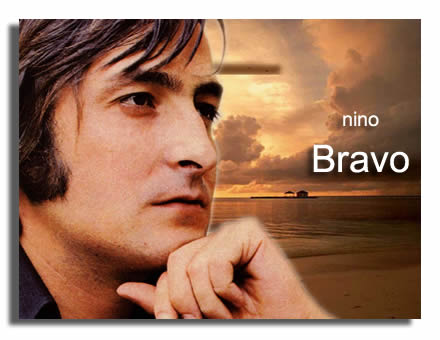
Luis Manuel Ferri Llopis, known as Nino Bravo, was born in Aielo de Malferit, Valencia, on 3 August 1944 and died in a road accident on 16 April 1973. In only a few years of recording, his powerful upper register, clear diction and emotional control produced some of Spanish popular music’s most durable songs.
First groups
Bravo worked in jewellery and other jobs while singing with groups including Los Hispánicos and Los Superson. Live performance developed projection and stamina. Mandatory military service interrupted momentum, but he returned determined to establish a solo career.
An exceptional voice
His singing combines brightness with weight. High notes remain open and intelligible rather than merely loud, while controlled vibrato sustains long melodic lines. Arrangements often build dramatically, yet the voice keeps the words central.
Essential songs
“Te quiero, te quiero” brought major success. “Noelia,” “Un beso y una flor,” “América, América,” “Cartas amarillas” and “Libre” developed a repertoire of departure, longing and hope. Bravo was primarily an interpreter; composers, lyricists, arrangers and orchestras were essential to these recordings.
“Libre” and changing interpretations
“Libre” has often been connected to Peter Fechter, killed while attempting to cross the Berlin Wall, though the exact relationship between that event and the song’s composition has been debated. Over time the recording has acquired political meanings in different countries that exceed the singer’s original performance.
The song’s endurance comes from an expansive melody and the human desire for freedom, but responsible listening should distinguish the recording from later ideological uses.
Early death
Bravo died at 28 while travelling from Valencia towards Madrid. Posthumous releases and compilations expanded his fame. The tragedy contributed to myth, but the recordings endure because of craft rather than because the career was short.
Video: Vivir
This Spanish RTVE documentary reconstructs his career through archives and testimony. No comparable English documentary was found; performances make the original valuable even for viewers relying on this English context.
Video: “Libre” and historical memory
This Spanish presentation examines the song beside the Berlin Wall story. It is retained as a justified exception and should be viewed critically, separating documented history from a powerful cultural association.
Achievements and legacy
Nino Bravo created a canonical repertoire in a brief career, set a lasting standard for Spanish pop singing and remained popular across Spain and Latin America. His legacy is the recorded voice: luminous, disciplined and capable of turning a broad melody into personal urgency.