
Philip Seymour Hoffman: Inhabiting Difficult Characters
The life, stage work, films and legacy of Philip Seymour Hoffman, the Oscar-winning actor who gave difficult characters uncommon human complexity.
- Philip Seymour Hoffman
- Capote
- American actor
- theatre
- film acting
- Academy Award
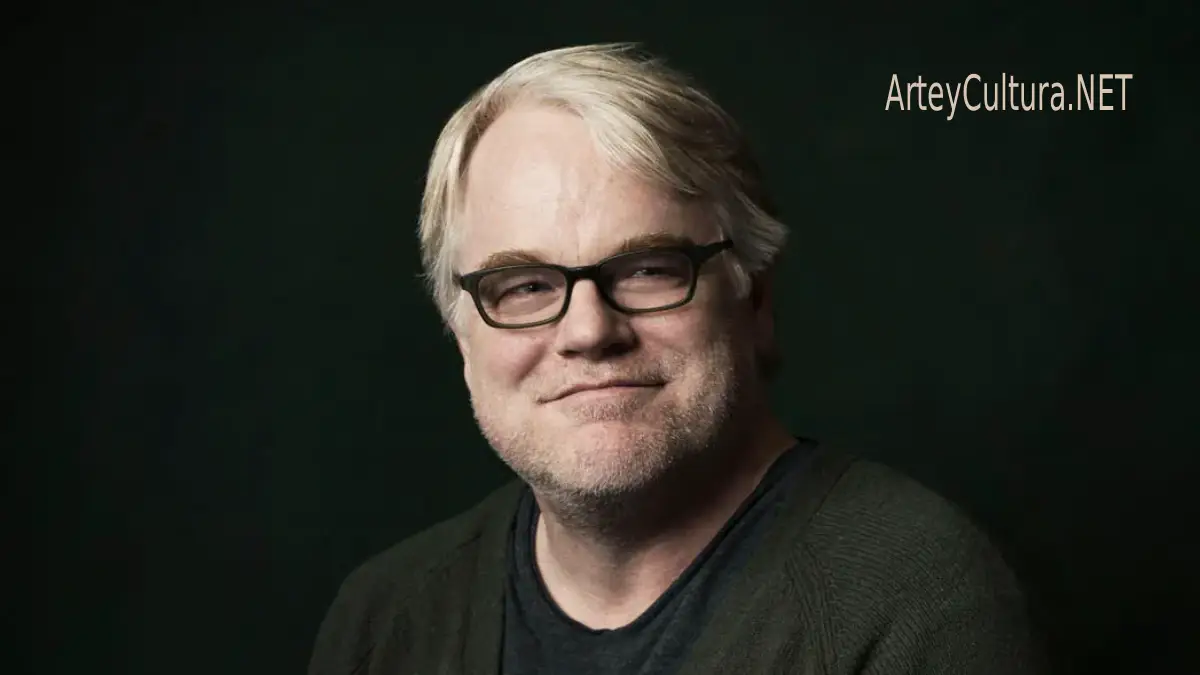
Philip Seymour Hoffman was born in Fairport, New York, on 23 July 1967 and died in New York City on 2 February 2014. Actor and theatre director, he brought unusual precision to characters marked by ambition, loneliness, cruelty, humour and need. He won the Academy Award for playing Truman Capote.
Training and the stage
Hoffman studied drama at New York University’s Tisch School of the Arts. Theatre remained central even after film success. As actor and director with the LAByrinth Theater Company, he treated rehearsal as investigation rather than preparation for celebrity.
The value of supporting roles
Films such as Boogie Nights, The Big Lebowski, Magnolia, The Talented Mr. Ripley and Almost Famous showed his ability to make limited screen time feel like a complete life. He avoided signalling whether a character deserved approval. Contradiction remained visible.
Capote
For Capote (2005), Hoffman transformed voice, posture and social rhythm without turning Truman Capote into an impersonation. The film follows the writing of In Cold Blood and the moral compromises involved in turning another person’s fate into literature.
The performance won the Oscar, BAFTA, Golden Globe and Screen Actors Guild Award for Best Actor.
Maturity and risk
In Doubt, The Master, Synecdoche, New York, Before the Devil Knows You’re Dead and A Most Wanted Man, Hoffman played authority and collapse with equal force. Even apparently dominant men reveal dependence on the people they try to control.
Addiction and death
Hoffman spoke publicly about addiction and recovery. He died from acute mixed-drug intoxication at 46. His death should not become a moral lesson or erase his work. Addiction is a health condition requiring sustained care, and relapse can be fatal.
Video: speaking about addiction
This English 60 Minutes excerpt preserves Hoffman’s own account. It should be heard with respect rather than used to pretend that one interview can predict a person’s later illness.
Video: thought, humour and performance
This English Rubin Museum conversation with philosopher Simon Critchley reveals Hoffman’s curiosity and humour outside a scripted role. It helps explain the intelligence beneath his acting choices.
Achievements and legacy
Hoffman won major awards for Capote, sustained serious theatre work and made character acting central to contemporary American cinema. His performances resist easy categories of hero, villain, lead and supporting figure.
His legacy is attention without vanity. He entered uncomfortable emotional spaces and allowed characters to remain difficult, comic and recognisably human.