Salvador Dalí: Method, Dream and Surrealist Spectacle
The life, paintings, films, designs and controversies of Salvador Dalí, creator of The Persistence of Memory and master of surrealist self-invention.
- Salvador Dalí
- surrealism
- The Persistence of Memory
- Gala Dalí
- Spanish art
- film
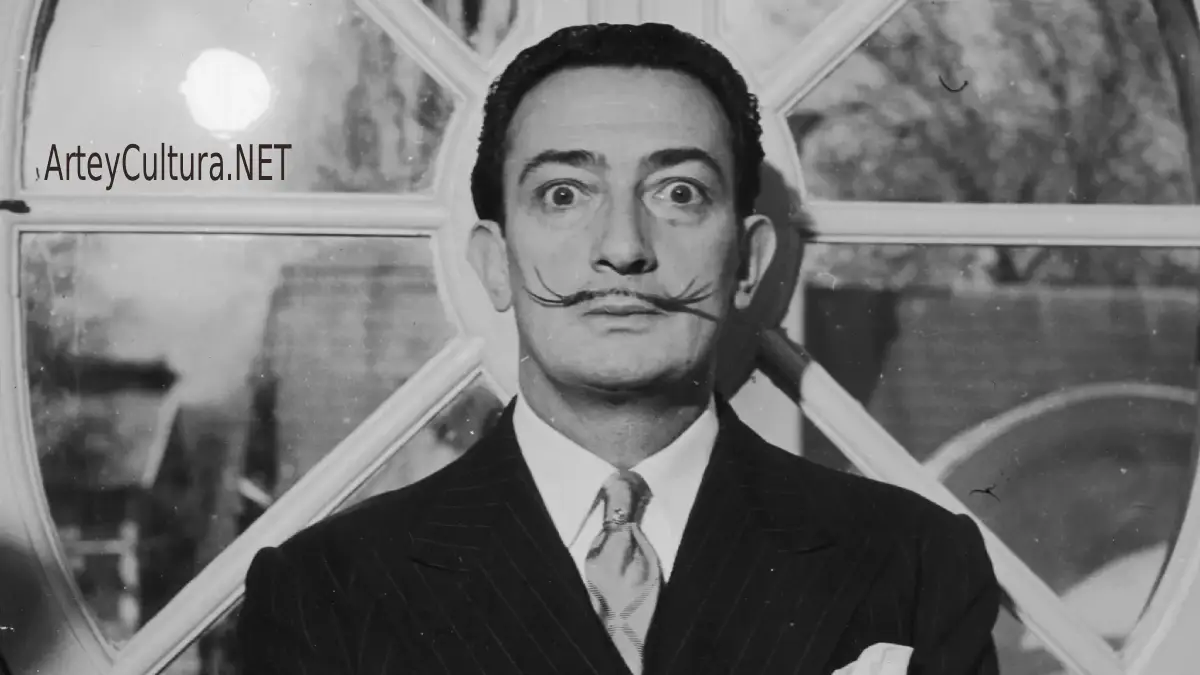
Salvador Domingo Felipe Jacinto Dalí i Domènech was born in Figueres, Catalonia, on 11 May 1904 and died there on 23 January 1989. Painter, filmmaker, writer and designer, he joined meticulous technique with unstable dream imagery and turned his public identity into part of the work.
Childhood and formation
Dalí studied at Madrid’s Royal Academy of Fine Arts and encountered avant-garde ideas through friendships with Federico García Lorca and Luis Buñuel. He mastered academic drawing while experimenting with Cubism and other modern languages. Technical control later made impossible scenes appear persuasively real.
Entering surrealism
In Paris Dalí joined the surrealist movement and developed his “paranoiac-critical method,” a deliberate cultivation of multiple images and irrational associations. Rocks become bodies, shadows produce new forms and ordinary objects acquire disturbing psychological charge.
The Persistence of Memory
The small 1931 painting of soft watches in a barren landscape became an emblem of surrealism. Its exact surfaces make melting time seem tangible. The picture does not illustrate one theory; it creates a world in which measured time loses authority.
Gala
Gala, born Elena Diakonova, became Dalí’s partner, manager and recurring subject. Their relationship shaped access to patrons and the construction of his career. Recognising her agency should not erase the tensions and mythology surrounding their partnership.
Film, photography and design
Dalí collaborated with Buñuel on Un Chien Andalou and L’Age d’Or, and later worked with Alfred Hitchcock and Walt Disney. Jewellery, advertising, theatre and photography allowed surrealist displacement to enter mass culture.
Persona and controversy
The moustache, declarations and staged appearances made Dalí a global celebrity. André Breton and other surrealists criticised his politics and commercial appetite. His ambiguous relationship with Francoist Spain remains part of any responsible assessment.
Spectacle expanded his audience but sometimes obscured sustained labour and late experimentation.
Mysticism and the Theatre-Museum
After the war, Dalí joined Catholic imagery, nuclear science and classical composition in what he called nuclear mysticism. He later designed the Dalí Theatre-Museum in Figueres as an immersive environment and final self-portrait.
Video: Dalí explains Dalí
In this English Dick Cavett interview, Dalí turns explanation into performance. The viewer must distinguish between useful remarks about method and the deliberate production of celebrity.
Video: rare BBC archive interview
This 1955 English BBC interview captures a younger Dalí describing ideas with theatrical precision. It is valuable evidence that the public character was cultivated over decades.
Achievements and legacy
Dalí made dream imagery materially convincing, created a method for double images, collaborated across film and design and expanded surrealism into popular visual culture. His legacy includes invention and self-promotion, technical brilliance and political controversy. Looking seriously means holding all of them together.