María Rostworowski: Rethinking the Andean World
The life, research and legacy of María Rostworowski, the historian who transformed understanding of pre-Hispanic Andean societies, economy and power.
- María Rostworowski
- Andean history
- ethnohistory
- Inca Empire
- Peruvian historian
- Institute of Peruvian Studies
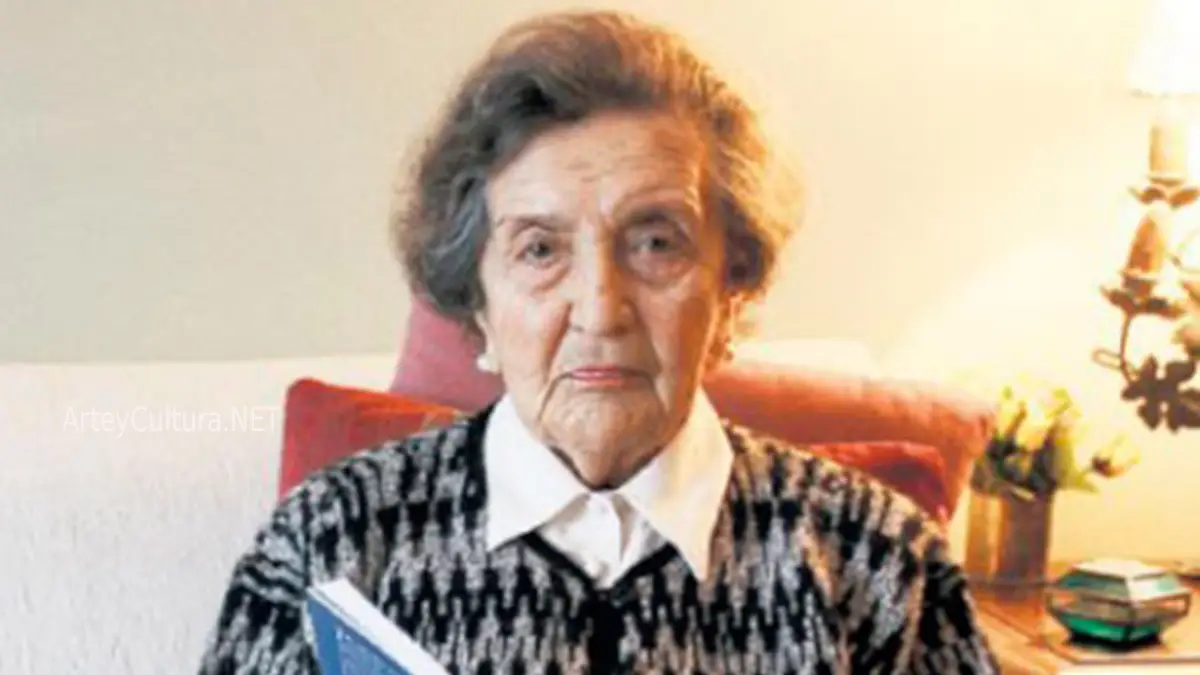
María Rostworowski Tovar de Diez Canseco was born in Barranco, Lima, on 8 August 1915 and died in Lima on 6 March 2016. Historian and researcher, she transformed knowledge of pre-Hispanic Andean societies through close reading of chronicles, legal records and local traditions.
An unconventional education
Rostworowski did not follow the usual path of university degrees and academic appointments. Educated partly in Europe and Peru, she developed as a researcher through independent study, mentorship and archival work. The unconventional route did not lessen rigour; it encouraged questions that established narratives had neglected.
Pachacútec and the beginning of a body of work
Her study of Pachacútec established her reputation. Rather than repeat a sequence of rulers and conquests, she examined political strategy, kinship, sacred authority and the construction of imperial memory.
Ethnohistory
Ethnohistory combines documentary history with anthropology and attention to Indigenous social categories. Colonial records were written within relations of power, so they must be compared and read for what officials misunderstood as well as what they recorded.
Rostworowski used lawsuits, visits, chronicles and administrative documents to recover actors often absent from conventional political history.
The coast before the Incas
Her research demonstrated the complexity of central-coast societies and lordships before Inca incorporation. Fishing communities, irrigation, pilgrimage centres and regional authorities formed systems that cannot be understood as a mere prelude to empire.
Andean economic networks
Rostworowski studied how ecological zones, labour obligations, exchange and kinship organised resources. The Andean economy did not simply reproduce European market categories. Political and ritual relationships shaped circulation.
Women, power and mythology
She gave sustained attention to women in Andean history and myth, including rulers, priestesses and female deities. This work challenged accounts in which political action appeared exclusively male.
History of the Tahuantinsuyo
Her widely read synthesis brought decades of specialist research to a broad audience. The book presents the Inca state as a changing political formation rather than an idealised, uniform civilisation.
Institute of Peruvian Studies
As a researcher associated with the Institute of Peruvian Studies, Rostworowski contributed to an interdisciplinary community and helped connect archival scholarship with public discussion of Peru’s cultural diversity.
Video: an English introduction
This English-language profile introduces Rostworowski’s life and importance to viewers unfamiliar with Peruvian historiography. It provides an accessible path into the more detailed work discussed here.
Video: Sucedió en el Perú
This extensive Spanish TV Perú documentary preserves specialist commentary and national archival material unavailable in English. It remains a justified primary-context exception.
Achievements and legacy
Rostworowski renewed the political history of the Incas, recovered the complexity of coastal societies, strengthened ethnohistory in Peru, brought women and economic organisation into the centre of analysis and wrote works accessible beyond universities.
Her legacy is methodological and civic: the Andean past must be studied through multiple voices, not simplified into either imperial glory or colonial stereotype. She changed not only what historians knew, but the questions they learned to ask.