B. B. King: The Guitar That Made the Blues Speak
The life, style and legacy of B. B. King, whose voice, vibrato and conversation with Lucille carried Mississippi blues to audiences around the world.
- B. B. King
- Riley B. King
- blues
- The Thrill Is Gone
- blues guitar
- Lucille
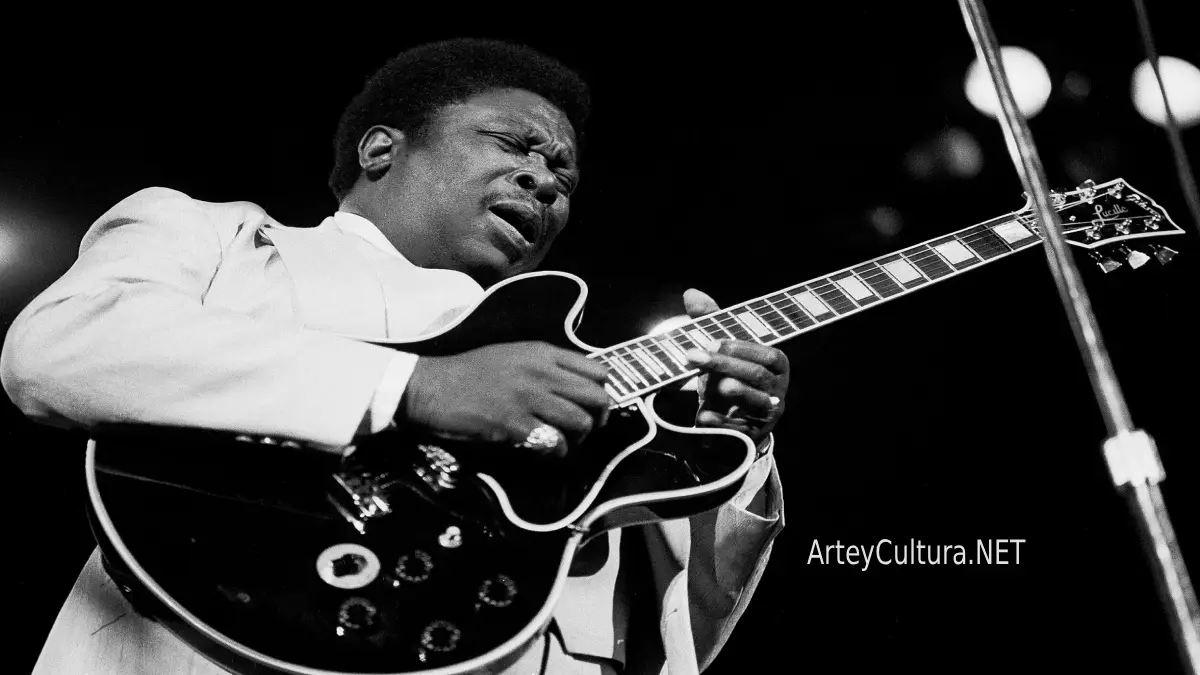
Riley B. King, known as B. B. King, was born near Itta Bena, Mississippi, on 16 September 1925 and died in Las Vegas on 14 May 2015. Singer, songwriter and guitarist, he transformed blues through a warm voice and a guitar that answered him like another character. His influence extends through blues, rock, soul and generations of popular music.
Childhood in the Mississippi Delta
King was born on a plantation and grew up amid poverty and racial segregation. Agricultural labour shaped childhood, while church supplied his earliest musical experience. Gospel singing and congregational call-and-response formed his sense of rhythm and communication.
Radio introduced him to a wider world of guitar and blues. The music could hold exhaustion, love, humour and loss without surrendering dignity.
Memphis and radio
In the late 1940s King reached Memphis, a crucial centre for electric blues. He performed, recorded and worked as a disc jockey at WDIA. His radio name “Beale Street Blues Boy” became “Blues Boy” and finally B. B.
Broadcasting taught him to address an audience directly and present a song as shared experience. It also connected him to professional circuits that turned a rural vocation into a national career.
A conversational guitar
King developed a language of brief phrases, sustained notes and unmistakable vibrato. He did not fill every measure. Voice delivers a line, then guitar extends the feeling that words cannot complete.
This use of space is central. Technical command serves timing and tone rather than speed. A bent note can sound pleading, amused or resigned according to attack and vibrato.
Lucille
King called his guitars Lucille. The name came from a fire at a dance hall after a fight reportedly began over a woman named Lucille. By naming the instrument, he kept a reminder never to risk his life again for a guitar and created one of music’s most enduring artist-instrument identities.
From segregated circuits to world stages
Relentless touring built his audience. King moved from the Black performance circuit to festivals, concert halls and international stages without abandoning blues structure. Collaborations with rock musicians introduced younger listeners, while his authority remained grounded in decades of work.
“The Thrill Is Gone”
His 1969 recording of “The Thrill Is Gone” became a signature. Strings broaden the arrangement, but the emotional centre remains the dialogue between a controlled vocal and economical guitar. The song won a Grammy and brought the blues to a wider mainstream audience.
Video: Crossroads 2010
This official English performance shows King sharing “The Thrill Is Gone” with other major guitarists. His authority does not depend on playing the most notes. A phrase, pause or glance organises the entire ensemble.
Video: Montreux 1993
This English-language performance from Montreux reveals his control over a large stage. Voice, audience and Lucille remain in conversation; dynamics and timing turn a familiar song into a present event.
Achievements and legacy
King carried blues from the segregated American South to international audiences, received numerous Grammys and lifetime honours, entered both the Blues Hall of Fame and Rock and Roll Hall of Fame, and influenced countless musicians.
He proved that one note can tell a story when tone, pause and intention are exact. His career—from agricultural work and local radio to global stages—embodies perseverance, but the deepest legacy remains musical: every guitarist trying to make a note speak continues a conversation with B. B. King.