Edilberto Mérida: Rebellious Clay from Cusco
The life, expressive sculpture and legacy of Edilberto Mérida, the Peruvian artist whose monumental hands turned clay into social memory and protest.
- Edilberto Mérida
- Peruvian sculpture
- Cusco ceramics
- Andean art
- expressionism
- clay sculpture
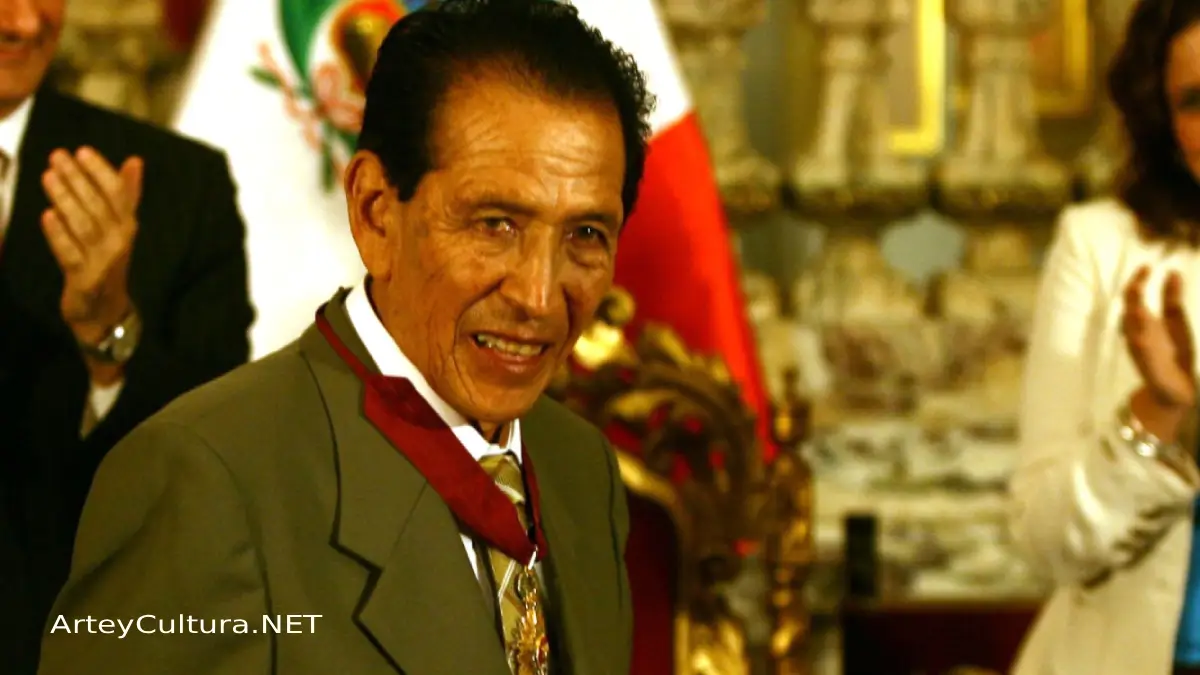
Edilberto Mérida Rodríguez was born in Cusco on 24 February 1927 and died on 7 June 2009. A self-taught ceramist and sculptor, he turned clay into a language of protest, dignity and emotional force. His peasants have enormous hands, tense faces and wounded bodies that break decisively with tourist images of an agreeable, timeless Andes.
Learning through material and labour
Mérida did not follow a conventional academic path. He learned through direct contact with materials, observation and persistent work. He knew the craft procedures of Cusco but pushed them towards a personal and dramatic form of sculpture.
Clay carried ethical as well as technical meaning. It came from the earth, belonged to daily life and preserved the pressure of fingers. Cuts, compression and roughness remain visible, making the surface communicate labour.
Breaking with picturesque custom
Cusco craft traditions often produced delicate religious scenes and regional types. Mérida retained Christian and Andean subjects but transformed their emotional tone. His figures do not smile to reassure the spectator; they bear pain, protest and severe dignity.
This was not contempt for tradition. His achievement was to show that a popular medium could confront contemporary conflict with the intensity expected of museum sculpture.
Hands that speak
Disproportionate hands are his most recognisable feature. Long fingers, clenched fists and strained palms express work, supplication or resistance. Deformation does not imitate anatomy; it makes social experience visible.
Hands may support a face, rise in prayer or carry the weight of a body. Their scale reverses conventional hierarchy: the part marked by labour becomes the centre of the person.
Peasants as protagonists
Mérida rejected the anonymous “Andean type.” His men and women confront viewers with individual grief and will. Clothing locates them culturally, but gesture prevents them from becoming decoration. Poverty is present without being made picturesque.
Religion and human drama
Christs, mourners and sacred families allowed him to connect Christian iconography with current suffering. The Passion becomes close to the experience of oppressed communities. Faith does not remove conflict; it gives pain a public language.
Technique and expression
He modelled clay with direct, forceful pressure and often maintained a coarse surface. Proportion yielded to meaning. The apparent simplicity depends on controlled balance: exaggerated hands must remain integrated with the body’s total rhythm.
Video: portrait of the master
This Spanish-language film records Mérida, his studio and sculpture. No substantial English documentary was found. It is retained because the artist’s physical handling of clay provides irreplaceable evidence of his method.
Video: receiving the Order of the Sun
This Spanish record documents the Peruvian state’s recognition of Mérida through the Order of the Sun of Peru. The unique ceremony and artist testimony justify the original language in the absence of an English equivalent.
Achievements and legacy
Mérida created an immediately recognisable sculptural language, renewed Cusco ceramics through expressionism and social content, granted monumental dignity to Andean peasants, exhibited internationally and received one of Peru’s highest honours.
He expanded the boundaries between craft, popular art and contemporary sculpture. His giant hands continue to speak about labour and resistance, demonstrating that humble material can carry a culture’s largest questions.