António Bártolo: Light, Water and the Art of Watercolour
Born in Angola in 1962, Portuguese artist António Bártolo transforms light, water, landscape and urban memory into remarkably transparent watercolours.
- António Bártolo
- watercolour
- Portuguese watercolourist
- landscape painting
- Torres Vedras
- Portugal
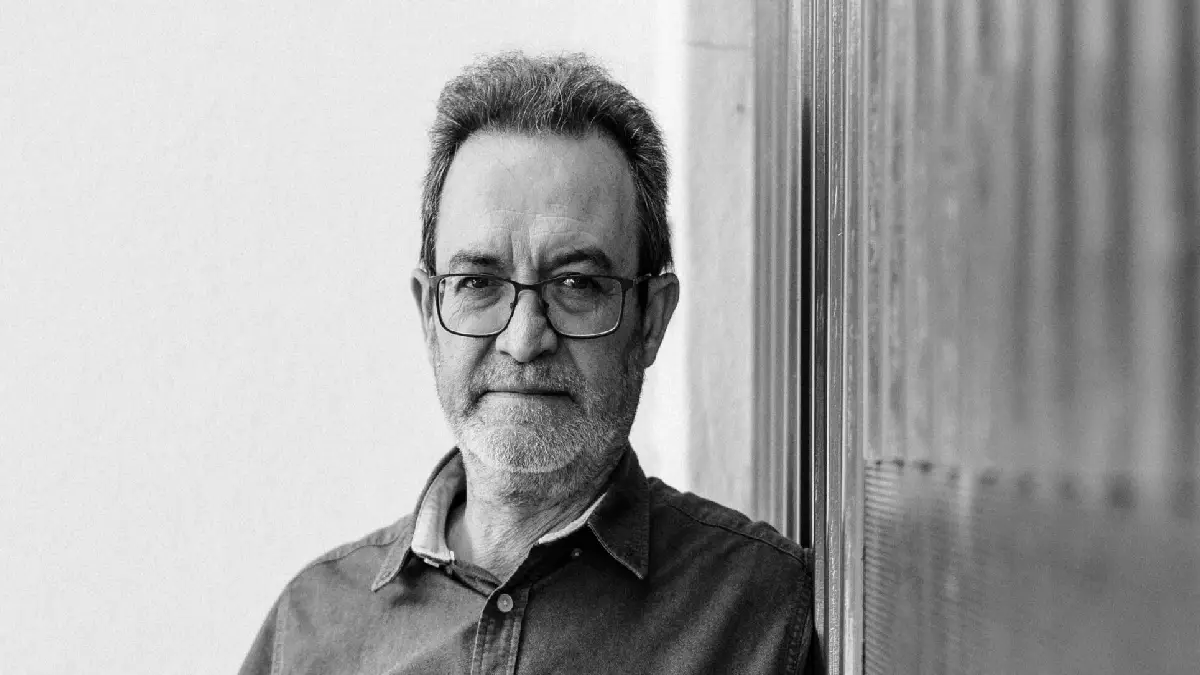
António Bártolo is a Portuguese visual artist whose work is closely associated with watercolour. He was born on 22 March 1962 in Angola and later settled in Portugal, where he developed a profound relationship with Torres Vedras. Its streets, coastline and surrounding territory frequently appear in his landscapes, urban sketches and cultural projects.
His painting is distinguished by luminous colour, transparent washes and an expressive use of untouched paper. Rather than reproducing a place as a strictly documentary record, Bártolo selects its essential forms and reconstructs its atmosphere through water, pigment and memory.
Biographical details
- Born: 22 March 1962, Angola.
- Nationality: Portuguese.
- Home and principal area of work: Torres Vedras, Portugal.
- Artistic education: self-taught.
- Primary discipline: watercolour, although he has also worked in drawing, oils and acrylics.
- Professional activity: painter, teacher, cultural promoter and curator of watercolour gatherings.
Bártolo remains active as both an artist and an educator. His participation in exhibitions and international watercolour gatherings is documented through 2026.
From graphic design to visual art
Drawing and painting formed part of his interests from childhood. During one stage of his professional life he worked in graphic design, an experience that strengthened his understanding of composition, visual synthesis and the balance between occupied areas and open space.
In 1998, he decided to devote his career to visual art and held his first solo exhibition. He subsequently took part in numerous individual and group exhibitions in Portugal and abroad, gradually establishing himself as an important figure in contemporary Portuguese watercolour.
Painting with light and water
Bártolo often begins with streets, buildings, coastal landscapes, rocks, weathered surfaces and reflections on water. These subjects are not merely descriptions of the environment. They become memories transformed by the artist’s gaze.
One of the defining features of his work is the importance assigned to unpainted paper. White areas operate as light, breathing room and silence within the composition. The image does not need to occupy the entire surface; what remains unstated invites viewers to complete the scene themselves.
His watercolours combine planning with spontaneity. Drawing establishes the structure, while washes introduce transparency, variation and accidents that cannot be completely controlled. This coexistence of method and uncertainty is essential to the medium and to Bártolo’s artistic language.
His working method
Bártolo paints both outdoors and in the studio. Before undertaking a finished watercolour, he often studies the location, identifies the compositional focus and makes notes in sketchbooks. Many of these drawings later become studies for more developed works.
When working directly before a landscape, he first records the shadows and broad relationships through initial washes. He then moves from large masses towards selected details, taking care not to let precision destroy the freshness of the medium. In the studio he may also use sketches and photographs, but he retains the freedom to alter the scene according to memory and the needs of the composition.
Achievements and contributions
- He held his first solo exhibition in 1998.
- His work has been exhibited in Portugal and in countries including France, Spain, Canada, Belgium, Greece, Mexico, Brazil and Morocco.
- He is a founding member of the Watercolour Association of Portugal, established in 2015, and participates in the international IWS network.
- He has promoted and directed watercolour gatherings in Santa Cruz, Torres Vedras and Caldas da Rainha, encouraging exchange among artists from different countries.
- He has been invited to teach, demonstrate and serve as a juror at courses, festivals, biennials and artistic gatherings.
- He created the publishing project Diário de uma Cidade for the municipality of Torres Vedras, based on close observation of the city’s architecture and everyday life.
- He produced a watercolour panel on paper measuring 6.8 metres in length for a hotel in Lisbon, demonstrating that the medium can also attain a monumental scale.
- His work belongs to public and private collections in Portugal and other countries.
In 2025, the Municipal Gallery of Torres Vedras presented Luz e Água: Um Encontro em Cores, an exhibition devoted to his relationship with landscape, memory and states of mind. In July 2026, he continued his work as curator of the Torres Vedras National Watercolour Gathering.
Demonstration: building a watercolour from blank paper
The following class reveals how Bártolo organises a composition and gradually brings light, volume and atmosphere into being through transparent layers. The recording is especially valuable because it allows viewers to follow decisions that are difficult to perceive in a finished work.
A concise demonstration of his technique
This English-language lesson concentrates on the decisions that make Bártolo’s method distinctive: essential drawing, careful control of water and brushstrokes that suggest more than they describe.
A promoter of watercolour culture
António Bártolo’s contribution extends beyond his personal body of work. As a teacher, curator and organiser, he has helped turn watercolour into a meeting place for artists, students and communities. Through exhibitions, workshops and outdoor painting sessions, he has defended the medium as a fully contemporary language—one capable of recording both the appearance of a place and the emotional experience of the person observing it.