Miguel Gutiérrez: Family, Power and Historical Memory
The life, novels and legacy of Miguel Gutiérrez, author of The Violence of Time and a major voice in modern Peruvian narrative.
- Miguel Gutiérrez
- Peruvian novelist
- The Violence of Time
- Piura
- Peruvian literature
- Grupo Narración
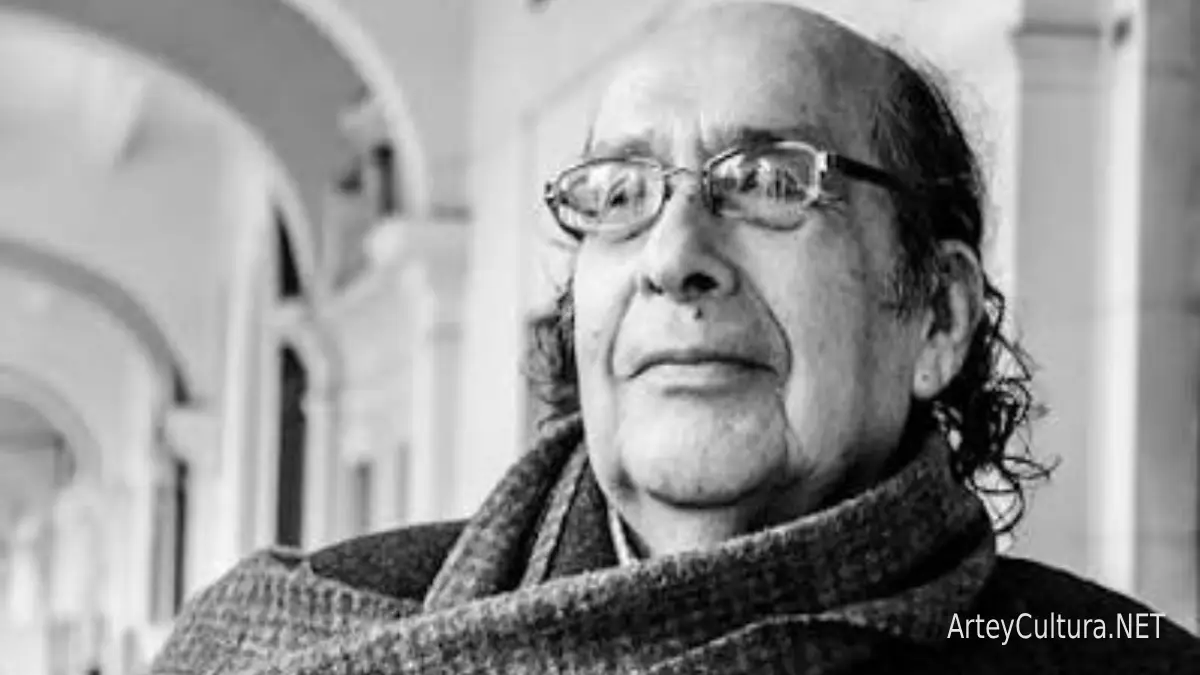
Miguel Francisco Gutiérrez Correa was born in Piura on 27 July 1940 and died in Lima on 13 July 2016. A novelist, essayist and teacher, he examined family, power, inequality and the historical wounds of Peru. His monumental novel La violencia del tiempo placed him among the country’s most ambitious contemporary writers.
Piura as a territory of memory
Northern Peru was never a decorative setting in Gutiérrez’s fiction. Its towns, hierarchies, families and oral histories show how national events enter private life. Decisions made decades earlier continue to affect descendants who did not choose that past.
His Piura combines modernisation, racial and class inequality, aspiration and inherited loyalty. The local becomes universal through a central question: how does a person live with a history received before birth?
Education and literary vocation
Gutiérrez studied literature at the National University of San Marcos. His academic work examined structure and ideology in José María Arguedas’s All the Bloods. Critical reading and narrative creation remained closely linked throughout his life.
University debates about Marxism, popular culture and the writer’s responsibility persuaded him that literature was a form of knowledge rather than ornament. Yet his mature novels avoid reducing characters to political examples.
Grupo Narración
At the end of the 1960s he joined Grupo Narración, alongside writers such as Oswaldo Reynoso and Antonio Gálvez Ronceros. The collective debated social transformation and the political role of narrative. Its importance lies not in a single doctrine but in the demand that form and history be considered together.
The Violence of Time
Published in 1991, La violencia del tiempo follows several generations of the Villar family. Its scale, multiple voices and movement across time reveal how racial prejudice, property, desire and political violence accumulate within a genealogy.
The novel refuses a simple opposition between victims and villains. Characters inherit structures yet also make choices. Memory changes according to who speaks, so the reader must compare testimonies and confront the instability of family truth.
Other novels and essays
Gutiérrez wrote fiction, stories, criticism and personal essays. Across different registers he returned to intellectual commitment, artistic vocation, erotic life and the pressure of institutions. His essays on Peruvian writers linked close reading with the social conditions of literature.
Video: a conversation with the writer
This Spanish-language interview allows Gutiérrez to explain his formation and literary choices. No equivalent English interview exists; the original is retained because a writer’s cadence and reasoning are primary evidence, with this English article supplying context.
Video: documentary portrait
This Spanish documentary situates the author in Peruvian literary history. It is a second necessary exception after searches produced no relevant English film. Images, testimony and discussion of his books cannot be replaced by a generic video about the Latin American novel.
Achievements and legacy
Gutiérrez wrote one of the most ambitious Peruvian novels of the twentieth century, renewed representations of the northern coast and family memory, contributed to Grupo Narración, and sustained work across fiction and criticism.
His legacy lies in confidence that the novel can investigate a country through a family. Against simplified memory he offered competing voices; against forgetting, narratives capable of facing historical injury without surrendering imagination.