Luis Palao: Watercolour, Drawing and Andean Dignity
The life, work and legacy of Luis Palao Berastain, the Peruvian master who portrayed Andean people, architecture and landscape through watercolour and drawing.
- Luis Palao Berastain
- Peruvian watercolour
- Andean art
- drawing
- Arequipa
- figurative painting
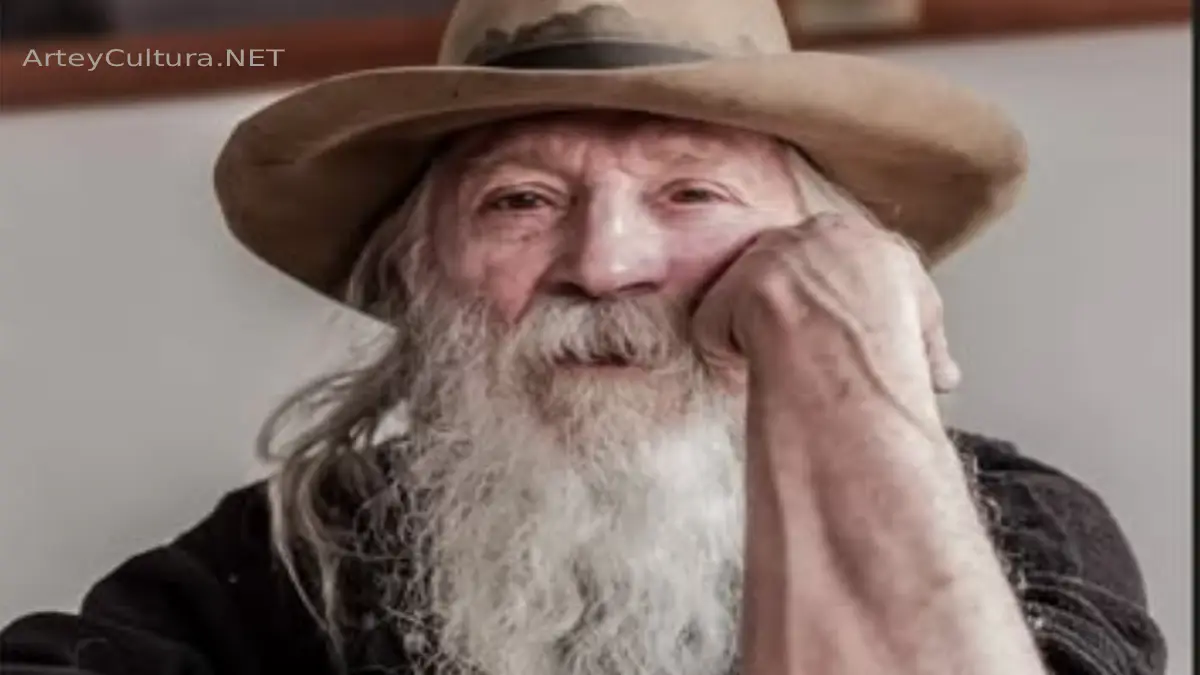
Luis Palao Berastain was born in Arequipa, Peru, in 1943 and died in 2021. Painter, draughtsman and watercolourist, he devoted much of his career to the people and landscapes of the southern Andes. His realism is neither photographic imitation nor picturesque tourism. It is an art of attention: faces, hands, adobe walls and mountain light become evidence of lived experience.
Palao worked in watercolour, charcoal, pencil and other graphic media. Across them all, drawing provides structure. His command of anatomy and value allowed him to simplify without losing the weight, age or individuality of a person.
Arequipa and visual apprenticeship
He grew up amid the intense light, volcanic stone and strong draughtsmanship tradition of Arequipa. Observation came before theory. Streets, markets, rural work and the geometry of local architecture taught him how bodies occupy space and how light defines material.
That regional foundation remained important after his career widened. Palao did not treat the Andes as an interchangeable background. Different climates, garments, buildings and gestures belong to distinct communities and must be looked at carefully.
Architecture in Argentina and the decision to paint
Palao studied architecture in Argentina. The discipline sharpened his understanding of proportion, perspective and built space, even though he ultimately chose visual art as his vocation. Architectural thinking continued to organise his landscapes and interiors.
Choosing art did not mean rejecting structure. His most spontaneous watercolours depend on clear decisions about balance, visual weight and the relationship between a figure and its surroundings.
Return to Peru and the Andean world
After returning, he travelled and worked in southern Peru and the Sacred Valley. Direct contact with rural communities became central to his art. He portrayed shepherds, farmers, mothers, musicians and elderly people as individuals rather than decorative signs of “the Andes.”
The distinction matters. A picturesque image turns difference into consumption; Palao’s best work asks viewers to meet another person’s gaze. Clothing and setting locate the subject culturally, while posture and expression prevent identity from becoming costume.
Drawing as the foundation
Palao’s charcoal and pencil works reveal remarkable control of value. Broad dark masses establish volume, and a few precise marks define features or worn fabric. Erasure and untouched paper create light. The resulting faces feel present because every line serves a structural purpose.
This drawing discipline supports the watercolours. Since transparent pigment cannot be casually covered, the artist must anticipate where light will remain and how successive washes will interact.
Watercolour: control and freedom
Watercolour asks an artist to guide a process that can never be completely controlled. Palao balanced deliberate composition with the movement of water. Transparent layers model skin, cloth and landscape, while edges dissolve where atmosphere matters more than detail.
His large works helped demonstrate that watercolour need not be a minor or preparatory medium. Scale, density and psychological ambition can coexist with luminosity.
Video: the artist explains his journey
In this Spanish-language interview, Palao discusses his formation, decisions and understanding of art. No substantial English interview with the artist could be located. His own voice is retained as a primary-source exception, with this English article providing context for international readers.
Video: inside the Arequipa studio
This Spanish-language visit to Palao’s studio reveals scale, materials and working environment. There is no comparable English studio film. The visual evidence is especially valuable: finished surfaces can be connected to tools, preparatory work and the rhythm of a place devoted to making art.
Recognition, final years and legacy
Among the works associated with his recognition is El canto de Jacinto Cusicuna. Exhibitions and awards consolidated his standing as a major Peruvian figurative artist. He also maintained an independent position during decades in which other artistic tendencies often dominated critical attention.
Palao left a visual archive of southern Peru during intense social transformation. His principal achievements were defending observation and craft, extending the expressive possibilities of watercolour, and representing rural Andean people without denying their individuality.
His legacy is ethical as well as technical. To look patiently at a face, house or road is to declare that its existence deserves to remain. Palao reminds us that realism is not merely resemblance; it is recognition.