

José Luis Perales: The Craft of a Lasting Song
The life, songs and legacy of José Luis Perales, the Spanish songwriter who transformed everyday stories and intimate questions into enduring popular music.
- José Luis Perales
- Spanish songwriter
- singer-songwriter
- ballad
- Porque te vas
- Y cómo es él
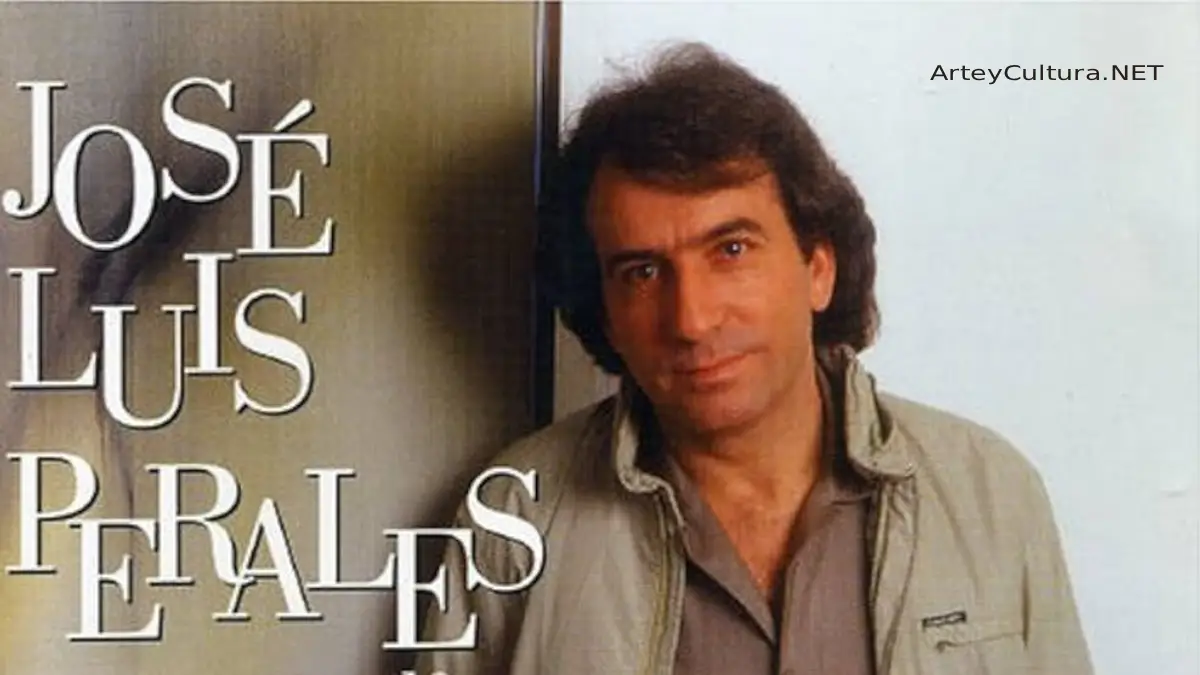
José Luis Perales Morillas was born in Castejón, Cuenca, Spain, on 18 January 1945. He is a singer-songwriter, composer, producer and author whose songs have travelled across Spain and Latin America. His work is distinguished by clear storytelling, restrained melodies and an ability to make ordinary emotional situations feel immediately recognisable.
Perales first became successful as a composer for other singers. His own quiet delivery later became part of the songs’ identity, proving that intimacy could command attention without vocal exhibitionism.
Childhood, education and first songs
He grew up in a rural environment and encountered music through local practice and radio. As a young man he studied electrical engineering in Seville and later worked in industry in Madrid. Music developed alongside that conventional profession rather than replacing it overnight.
He wrote melodies and lyrics privately, recorded demos and gradually entered the publishing world. This double life—technical employee and emerging songwriter—helped shape his disciplined approach. A song was inspiration, but it was also a structure that had to function precisely.
The composer before the performer
Perales supplied songs to established artists before recording under his own name. His breakthrough as a writer came through Jeanette’s “Porque te vas”, recorded in 1974. The song later gained international visibility through Carlos Saura’s film Cría cuervos.
Its apparent simplicity is deceptive. A light melody carries separation and uncertainty, allowing emotional tension to emerge without excessive explanation. The song has since been recorded in many countries and styles, demonstrating how a specific Spanish-language composition can cross cultural borders.
Becoming a singer-songwriter
Perales was initially reluctant to perform. His voice did not resemble the dramatic style associated with many romantic ballads. That reserve became an advantage: listeners heard the song as a confidence addressed directly to them.
Albums released from the 1970s onward established him throughout the Spanish-speaking world. He wrote about couples, family, absence, childhood, social concern and the passage of time. The arrangements support the narrative rather than overwhelming it.
How a Perales song works
His lyrics often begin with a concrete situation: someone arrives, leaves, asks a question or remembers a room. Repetition gives the listener a point of return, while small changes deepen the emotional meaning. He prefers familiar vocabulary and carefully placed images to ornate language.
This accessibility should not be confused with ease. Perales understands when a line must remain unresolved and when a melody needs silence. His work belongs to oral storytelling as much as to the commercial record.
“Y cómo es él”: the force of a question
Released in 1982, “Y cómo es él” is built around questions addressed to a departing partner. The narrator asks about the other man but gradually reveals his own loss. Because the song withholds accusation and spectacle, listeners can inhabit several emotional positions at once.
Video: hearing the narrative in the original song
This official recording preserves the Spanish performance of “Y cómo es él.” No English-language version can replace the sound and verbal rhythm of the work itself. The video is therefore a justified original-language exception: the song is the primary artistic object, while this English text explains its narrative construction.
Video: conversation about craft and memory
In this Spanish-language interview, Perales reflects on composition, career and personal memory. A substantial English interview of comparable depth was not available. His manner of speaking reinforces the same qualities heard in the music: clarity, patience and attention to an audience rather than self-mythology.
Songs for other voices and later writing
Perales has written for numerous performers, allowing his melodies to acquire different vocal identities. This work confirms that his legacy is larger than his discography as a singer. Many listeners know his writing without initially knowing his name.
He also turned to prose, publishing novels after decades devoted primarily to music. The move was natural: his songs had always depended on characters, situations and compressed stories.
Achievements and legacy
Perales built one of the most sustained careers in Spanish-language songwriting, created songs interpreted across generations and helped establish the narrative ballad as a form of popular literature. His achievements are measured not only in recordings and concerts, but in the continued presence of his lyrics in collective memory.
His legacy rests on precision. He shows that a popular song can be direct without being shallow, sentimental without losing restraint, and memorable without abandoning craft. The stories endure because they leave enough space for each listener’s own experience.