Jorge Salazar: Murals and the Public Memory of Peru
A profile of Peruvian painter Jorge Salazar Espinoza, whose murals bring history, collective memory and visual storytelling into public space.
- Jorge Salazar
- Peruvian muralist
- mural painting
- Peruvian art
- public art
- historical memory
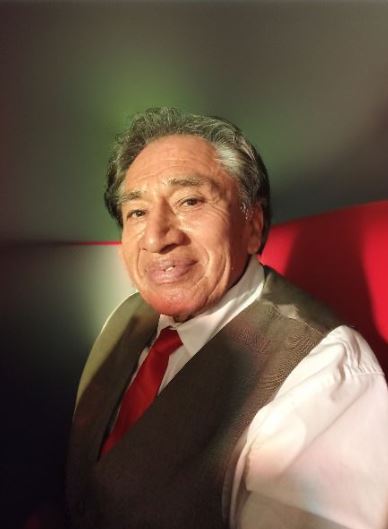
Jorge Salazar Espinoza, born in Huaraz, Ancash, on 28 July 1955, is a Peruvian painter best known for murals that turn historical research into large-scale public narratives. His figurative compositions bring together people, architecture, national events and everyday traditions in carefully balanced colour.
In April 2024, his exhibition Divisando Lima–Perú 2024 opened at the Cultural Centre of the Federico Villarreal National University in Lima. The event offered an opportunity to consider not only finished canvases, but the larger process through which an artist interprets the past for a contemporary public.
From art school to the city wall
Salazar entered Peru’s National School of Fine Arts in 1974 and graduated in 1980. While still a student, between 1979 and 1980, he created a mural on the history of Lince for the district municipality. Francisco Abril de Vivero, then director of the National Institute of Culture, inaugurated that early work.
The project established a direction that would define his career. A mural is never an isolated object: it belongs to a building, a neighbourhood and the people who pass it every day. Scale requires disciplined composition, while historical content requires research and decisions about which episodes, figures and symbols will speak for a community.
A visual chronicle of Peru
Salazar’s murals combine figurative clarity with broad chromatic harmonies. They move between present and past, connecting civic history with work, celebration and regional identity. The images are intended to be read progressively: a viewer can first grasp the whole scene and then discover individual stories within it.
Among his documented projects are murals for the Municipality of Lince, the Barranco district library, the National Library of Peru, Casa del Maestro, the Museum of the Inquisition and Congress, and the Real Felipe Fortress in Callao. His 2023 mural at Real Felipe addressed the bicentenary of Peruvian independence within a building that is itself part of that history.
Video: the artist presents his paintings
This recording documents Jorge Salazar speaking about an exhibition of oils on canvas. His words and the close views of the works preserve the connection between finished images and the artist’s own intentions. No equivalent English-language interview could be located; the original Spanish testimony is retained because Salazar’s voice is an irreplaceable primary document.
The book behind the murals
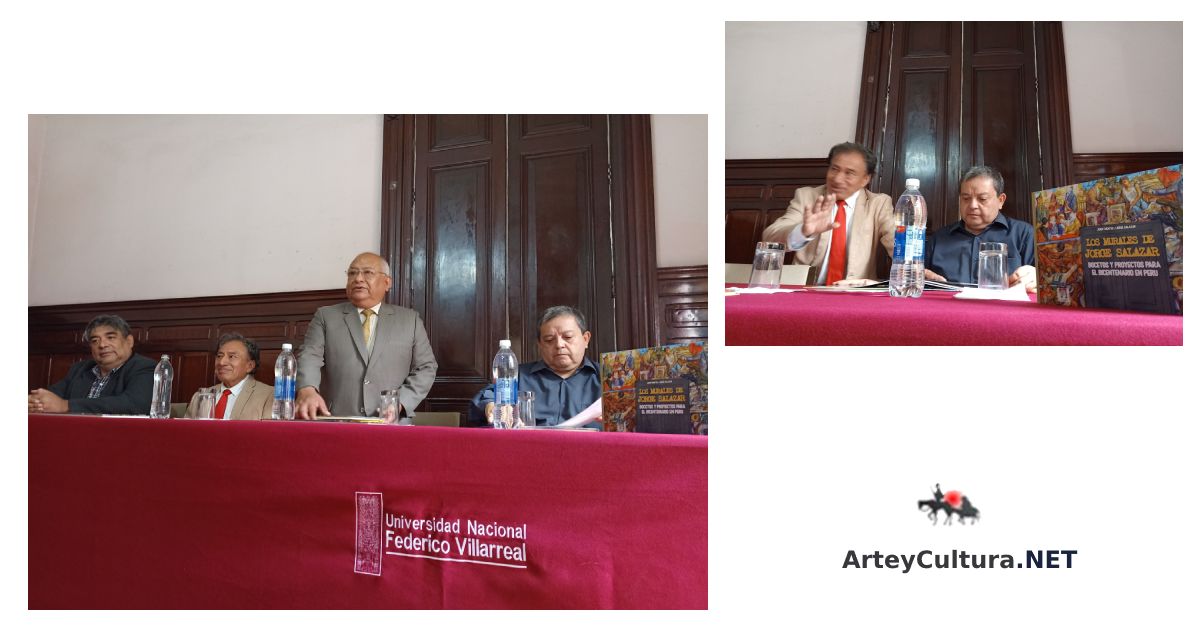
The university also presented Los murales de Jorge Salazar, bocetos y proyectos, prepared by the artist with historian and editor Juan Fuentes. The publication preserves sketches and plans that are normally lost once a monumental work is completed. It allows readers to follow the transition from research and preliminary drawing to architecture-sized composition.
Participants in the presentation included Eloy Prudencio Ayala, Ernesto Guevara, Juan Fuentes and Salazar himself. Their complete Spanish-language interventions remain part of the original archive:
Eloy Prudencio Ayala, director of the UNFV Cultural Centre:
Juan Fuentes, historian, university editor and co-author:
Ernesto Guevara, UNFV art historian:
Jorge Salazar, artist and graduate of the National School of Fine Arts:
Painting, dictatorship and social experience
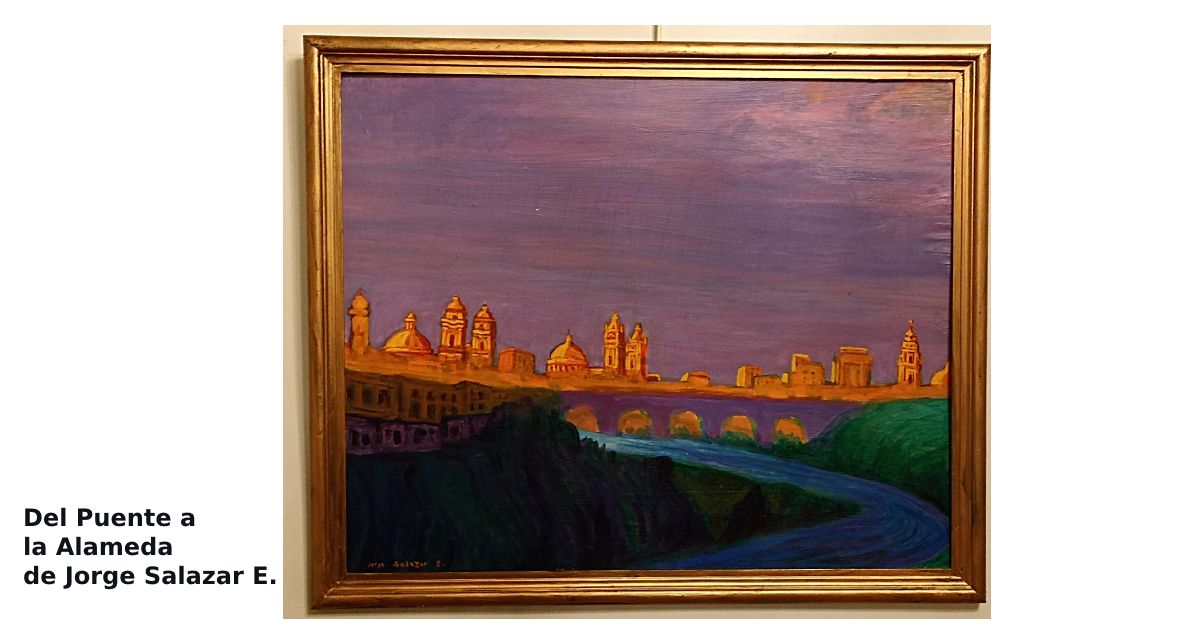
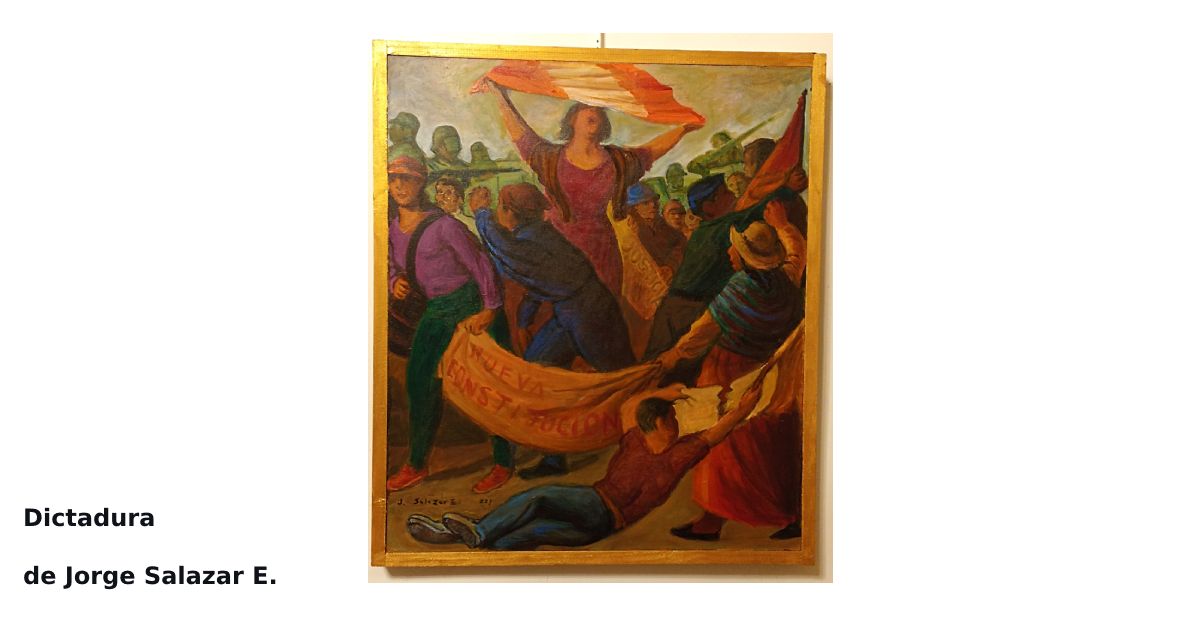
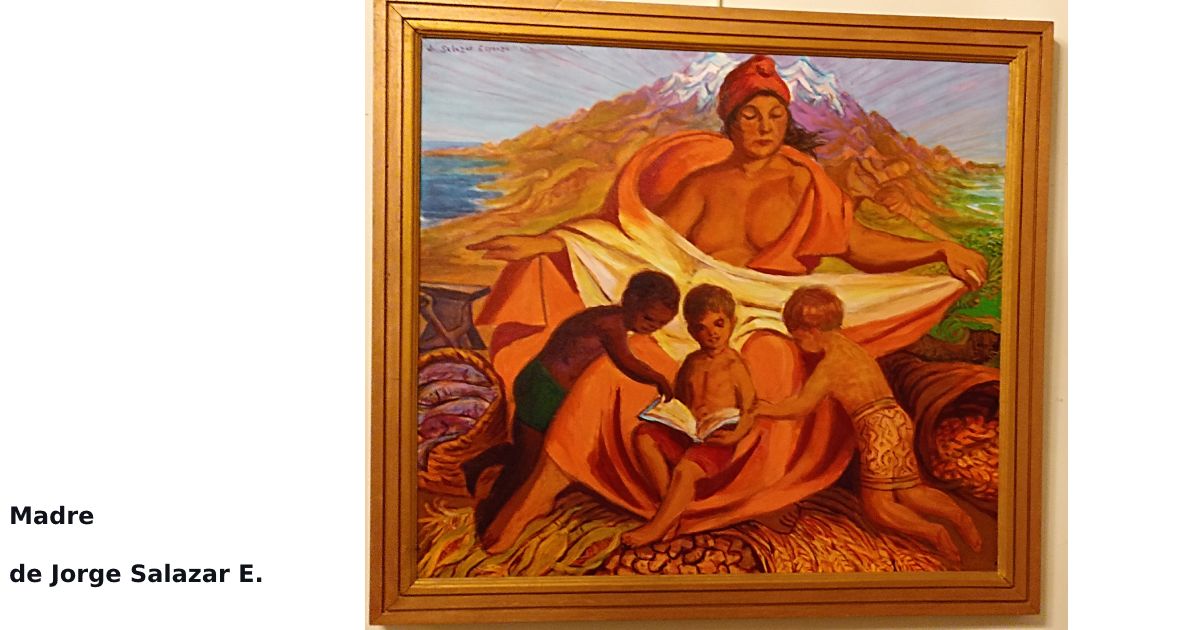
Salazar’s easel paintings extend the same concern with memory. Works such as Camino, Dictadura and Madre approach movement, political trauma and human bonds through concentrated figurative scenes. They demonstrate that his historical interests do not depend exclusively on monumental dimensions.
Video: muralism as living heritage
This Spanish-language overview places Salazar within Peru’s wider mural tradition. No substantial English equivalent about his work was available. The film is retained because it explains the local context that a generic international mural video would erase: a mural can decorate, but it can also interpret a community and preserve disputed memory.
Achievements and legacy
Salazar has united painting, historical investigation and a public vocation. His greatest achievement is making complex episodes accessible to viewers who may never enter a gallery. The book of sketches gives those works a second life by documenting the decisions and labour behind them.
His legacy depends on conservation as well as recognition. Murals are exposed to weather, changing architecture and political priorities. Recording their condition, preserving the artist’s testimony and maintaining the buildings that hold them are all necessary if these public narratives are to continue speaking to future generations.
Publication authorship
The photographs, recordings and original reporting preserved here were produced by Ricardo Cuya Vera for Arte y Cultura NET.