Henri de Toulouse-Lautrec: Montmartre and the Modern Image
The life, work and legacy of Henri de Toulouse-Lautrec, whose paintings and posters transformed the nightlife of Montmartre into a new vision of modernity.
- Henri de Toulouse-Lautrec
- French art
- Post-Impressionism
- poster art
- Montmartre
- printmaking
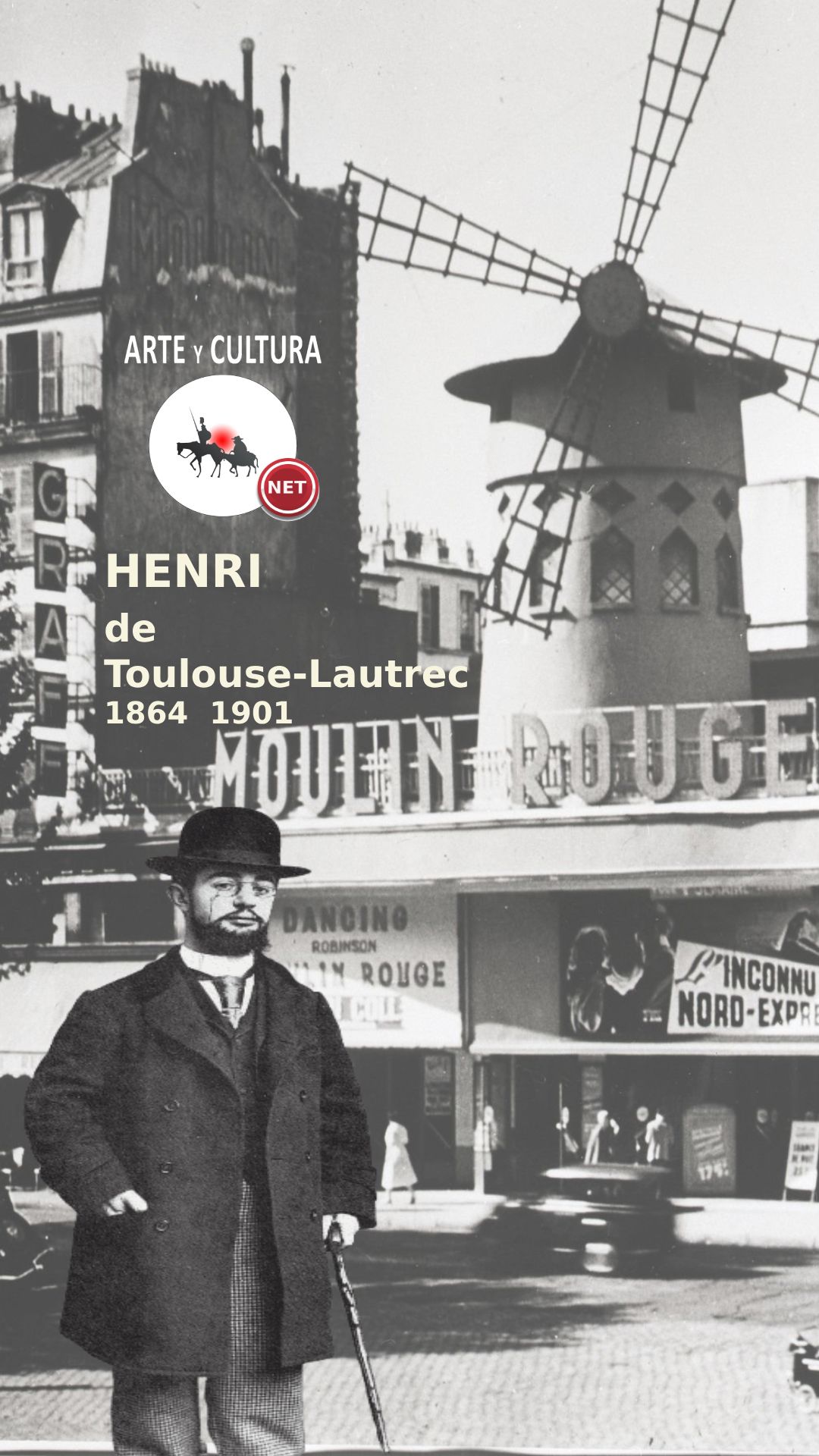
Henri-Marie Raymond de Toulouse-Lautrec-Monfa was born in Albi, France, on 24 November 1864 and died at the Château Malromé in Gironde on 9 September 1901. In a life of only 36 years, he produced an extraordinary body of paintings, drawings, lithographs and posters. His images made the theatres, cafés, dressing rooms and cabarets of Paris part of the language of modern art.
Lautrec did more than record the pleasures of the Belle Époque. He observed the people who created its spectacle: dancers, singers, actors, workers, customers and women living in brothels. Movement and entertainment coexist in his work with fatigue, solitude and private moments. That emotional range keeps his pictures from becoming merely picturesque documents of Montmartre.
An aristocratic childhood shaped by illness
Henri belonged to an old provincial aristocratic family. His parents, Count Alphonse de Toulouse-Lautrec and Adèle Tapié de Céleyran, were first cousins. As a teenager he broke both legs in separate accidents. The bones failed to heal normally, and his legs stopped growing while his torso continued to develop.
There is no definitive modern diagnosis for his condition. What is certain is that a congenital bone disorder restricted his mobility and subjected him to the judgement of others. Long periods of convalescence encouraged him to draw, but disability alone does not explain his achievement. Lautrec combined a remarkable visual memory with acute observation and relentless discipline.
Training and the discovery of Montmartre
He settled in Paris in 1882, studying first with Léon Bonnat and then Fernand Cormon. Cormon’s studio introduced him to artists including Émile Bernard and Vincent van Gogh. Academic training gave him control of anatomy and portraiture; the streets supplied the subjects that would make his work distinctive.
Montmartre mixed workers, artists, entrepreneurs, writers, sex workers and affluent visitors. Lautrec participated in this environment rather than viewing it from a distance. He befriended performers, collaborated with venue owners and drew rapidly from direct observation. Back in the studio, remembered gestures became paintings, programmes, prints and publicity.
The Moulin Rouge as a visual laboratory
The Moulin Rouge opened in 1889 and quickly became a centre of Parisian nightlife. For Lautrec it was a laboratory of moving bodies, artificial light and social performance. In At the Moulin Rouge: The Dance (1890), the dance floor is not an orderly stage but a field of glances, silhouettes and intersecting movements.
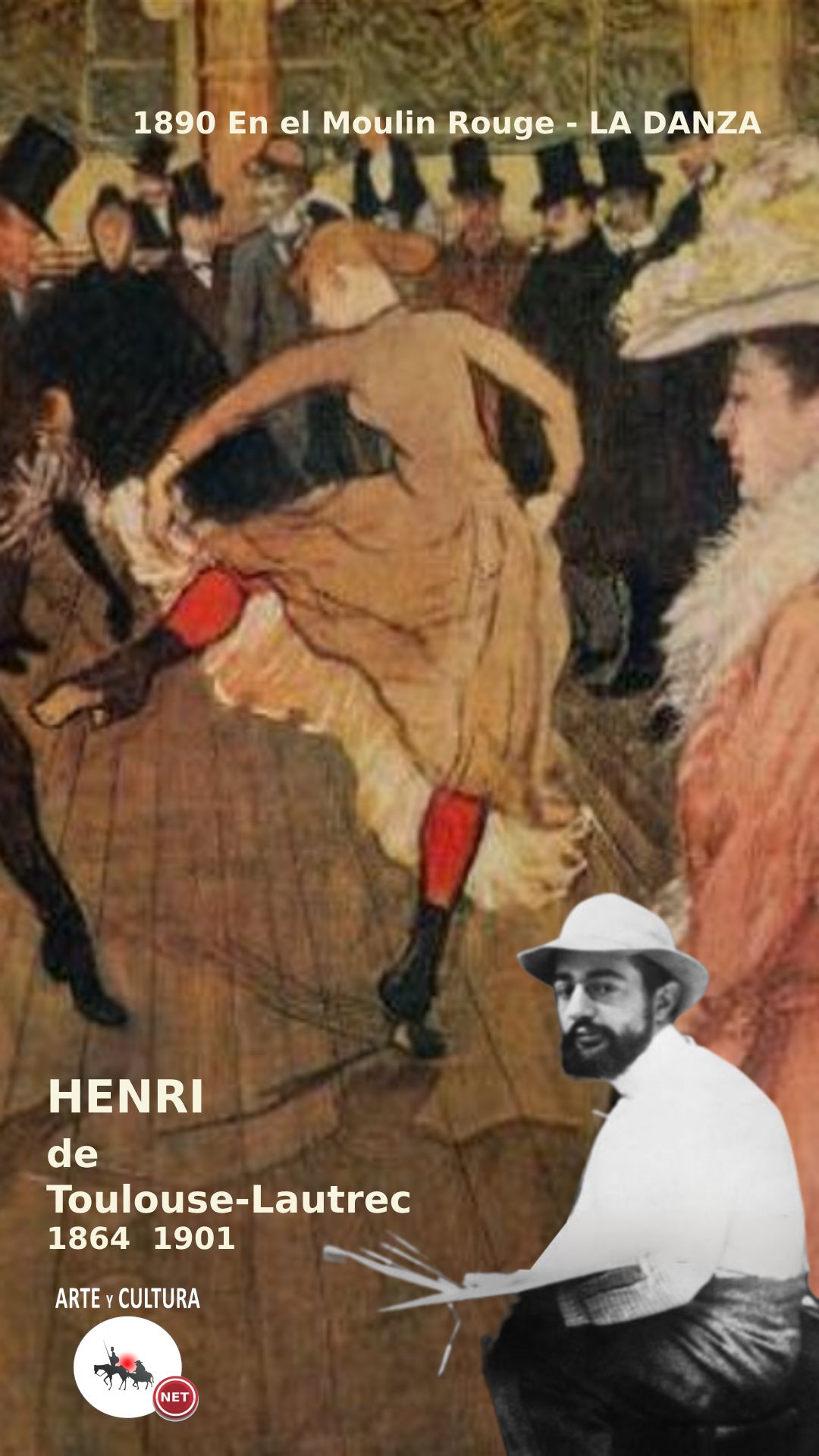
His cropped figures, emphatic diagonals, empty spaces and unusual viewpoints recall photography and Japanese prints. He abandoned polished academic finish whenever a line or patch of colour could communicate an attitude more directly. These choices gave visible form to the speed and fragmentation of the modern city.
Revolutionising the poster
In 1891, Moulin Rouge: La Goulue appeared on the streets of Paris. Lautrec reduced the performance to memorable essentials: Valentin le Désossé’s dark silhouette, La Goulue’s white skirt and an audience turned into a band of shadow. It could be understood at a distance and amid the visual noise of the street.
Between 1891 and 1900 he created 31 posters as well as an extensive range of lithographs. He understood that advertising did not need to imitate salon painting. It had to be immediate, legible and capable of fixing a personality in public memory. Flat colour, energetic contours and integrated lettering anticipated much of twentieth-century graphic design.
Portraits built from character
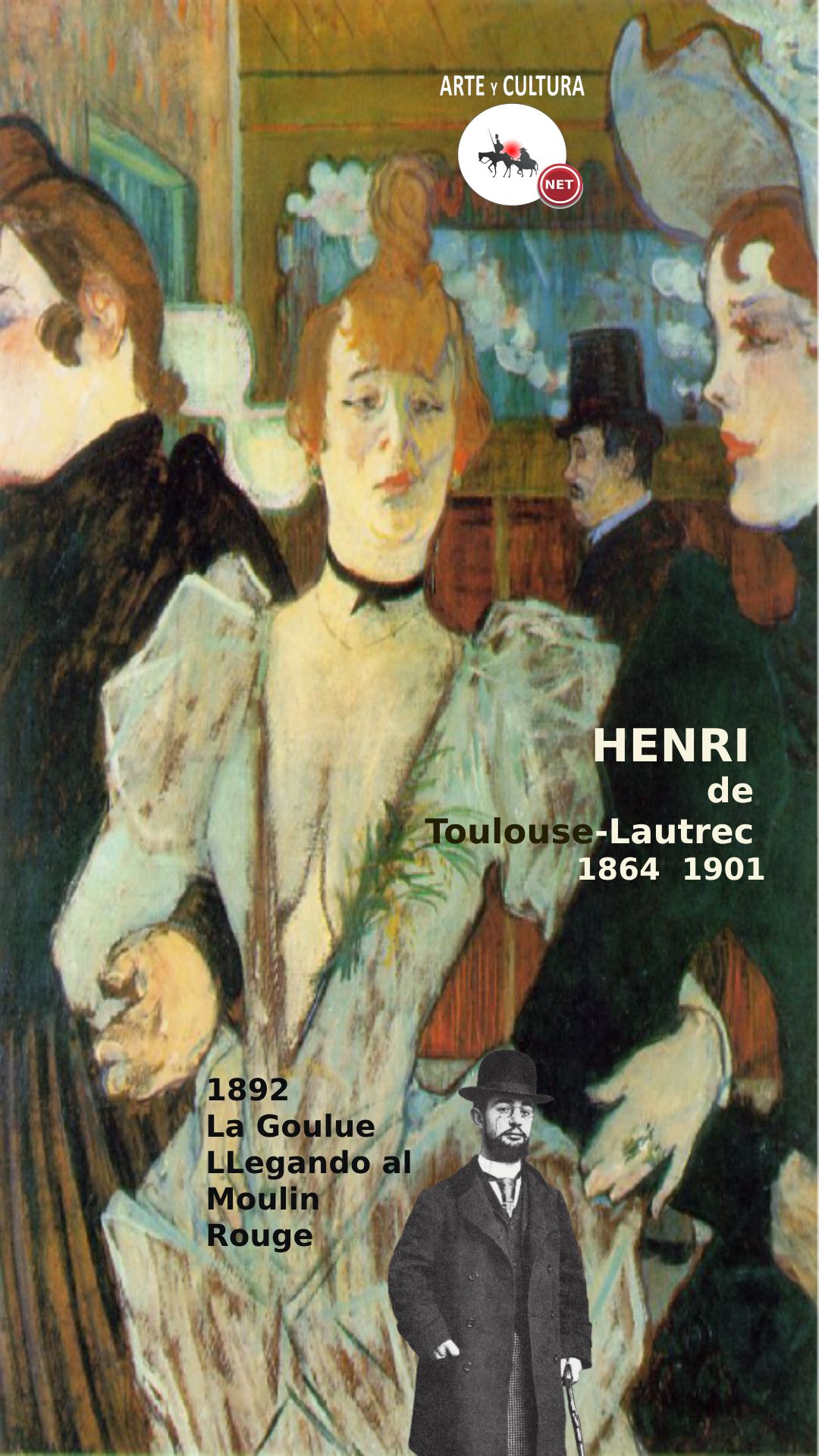
Lautrec made performers recognisable through posture and presence. Cabaret singer Aristide Bruant appears in a broad hat, black cloak and red scarf; a few strong shapes establish a complete public identity. Dancer Jane Avril required a different rhythm. Her slender form and nervous movement become the centre of a curved 1893 composition for the Jardin de Paris.
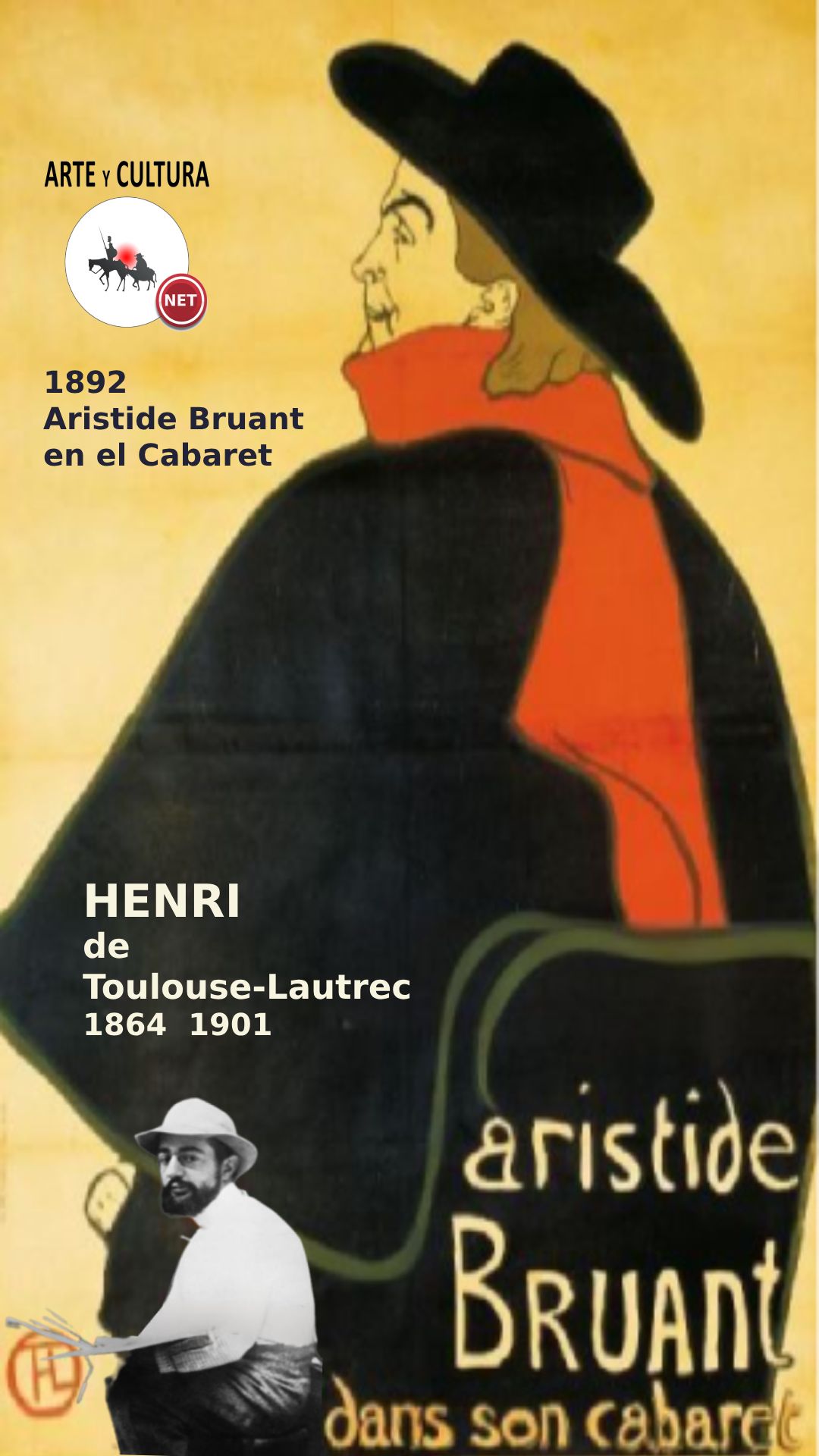
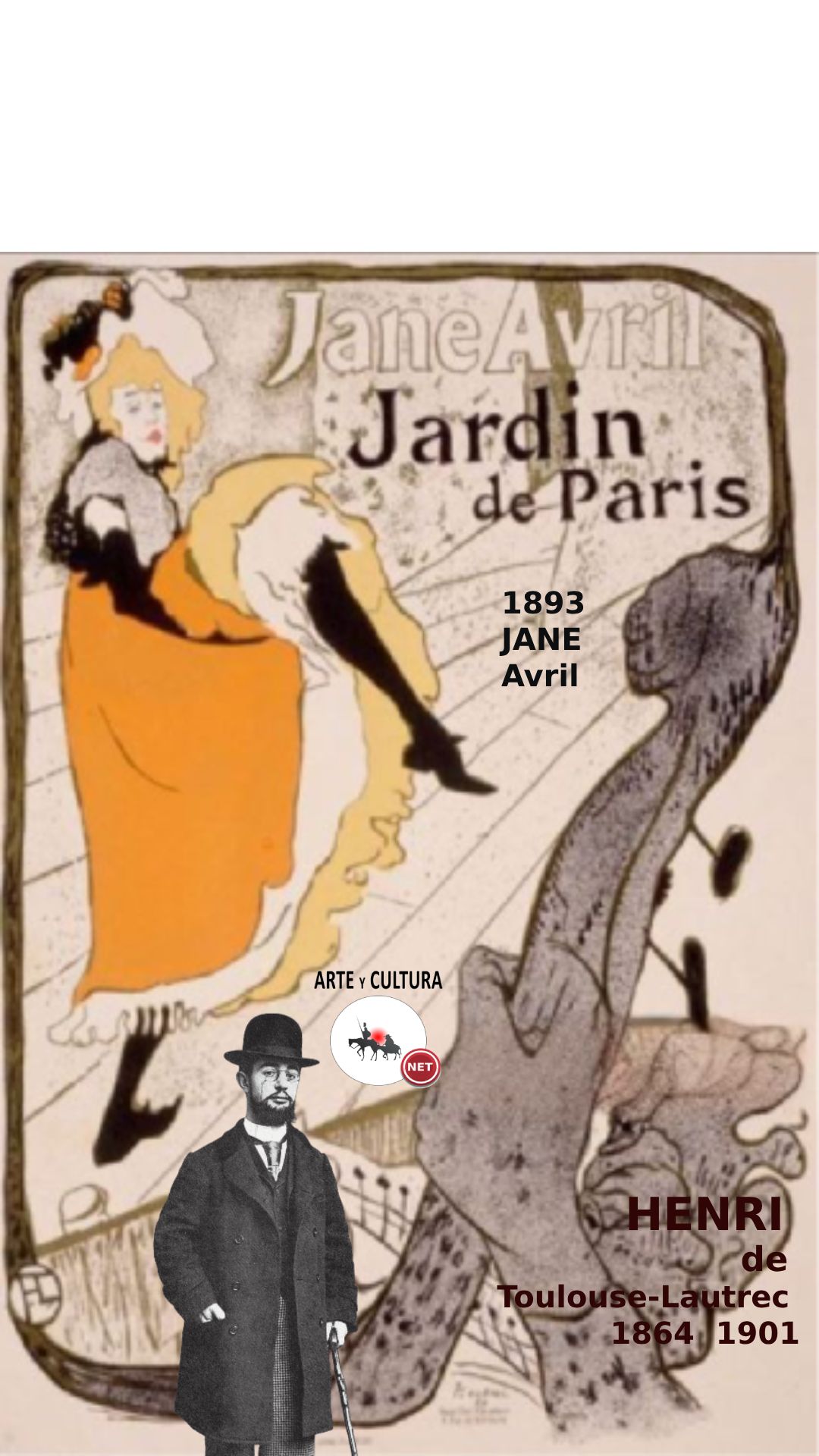
These were not simply advertisements. They shaped celebrity and revealed the spectacle as a collaboration between performer, artist, printer, venue and audience.
Private life behind public spectacle
The artist also recorded moments without applause. His portraits of the red-haired model Carmen Gaudin, known in several works as La Rousse, avoid grand performance. An inclined head and concentrated colour establish a quiet, self-contained presence.
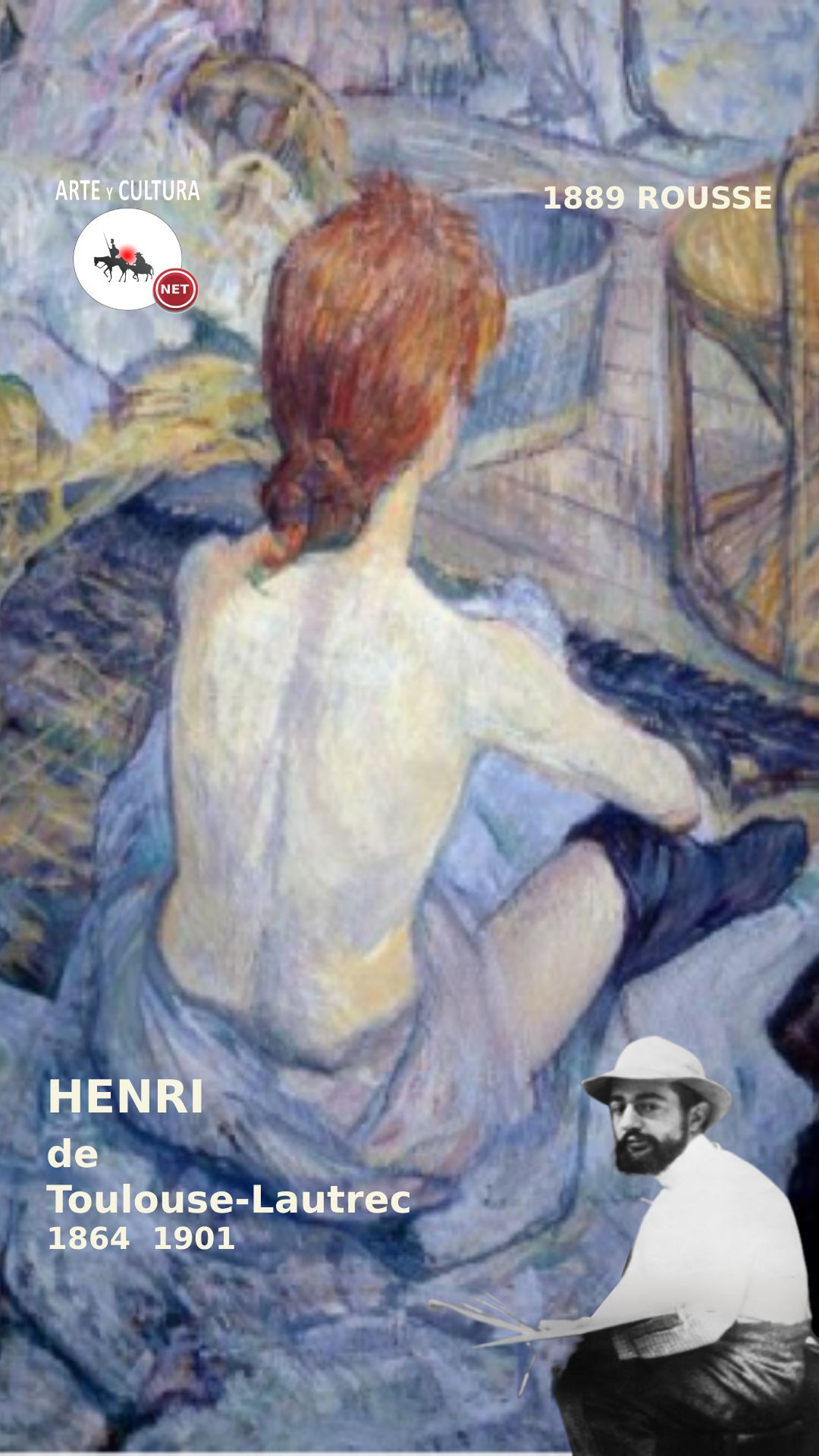
In brothels he drew women resting, eating, talking and waiting. Rather than treating them as moral warnings or fantasies, he represented shared routines and individual personalities. His proximity did not remove the inequalities of their circumstances, but it produced a degree of humanity rarely present in official art of the period.
Technique and artistic language
Lautrec worked in oils, distemper, watercolour, pastel, pencil and lithography. He frequently used thinned paint on cardboard and allowed the support to remain visible. The apparent speed of his surfaces depended on highly controlled drawing. Degas, Japanese prints and contemporary illustration all mattered, but he transformed these sources into his own visual handwriting.
His principal achievements include capturing movement without exhaustive detail, uniting fine art with public communication, constructing psychological portraits from characteristic gestures, and documenting modern urban life without separating painting from popular culture.
Video: between Degas and Picasso
This English-language presentation from the Museum of Fine Arts, Boston places Lautrec between Degas and the experiments that led towards Picasso. Comparisons across drawings, paintings and prints show how he reduced a scene until only its essential energy remained.
Video: an introduction to his life and work
This English-language film from the National Galleries of Scotland provides a clear introduction to Montmartre, portraiture and poster design. Close views reveal how contour, empty space and cropped figures allowed Lautrec to communicate so much with so little.
Final years and legacy
Heavy drinking and declining health led to several crises. In 1899 he spent months in a clinic at Neuilly, where he drew a circus series from memory to demonstrate the strength of his mind and observation. After a relapse and neurological complications, he returned to his mother’s care and died at Malromé on 9 September 1901.
Toulouse-Lautrec changed the boundary between fine art and everyday visual culture. He gave graphic identities to the performers of his time and showed that urban life could be narrated through fragments, artificial light and fleeting gestures. His legacy continues in illustration, advertising, editorial design, photography and film—and in his determination to look closely at people society pushed towards spectacle or the margins.