Gioachino Rossini: Rhythm, Comedy and Operatic Revolution
The life, operas and legacy of Gioachino Rossini, whose rhythmic energy transformed comic opera and reached heroic scale in William Tell.
- Gioachino Rossini
- Italian opera
- The Barber of Seville
- William Tell
- bel canto
- opera buffa
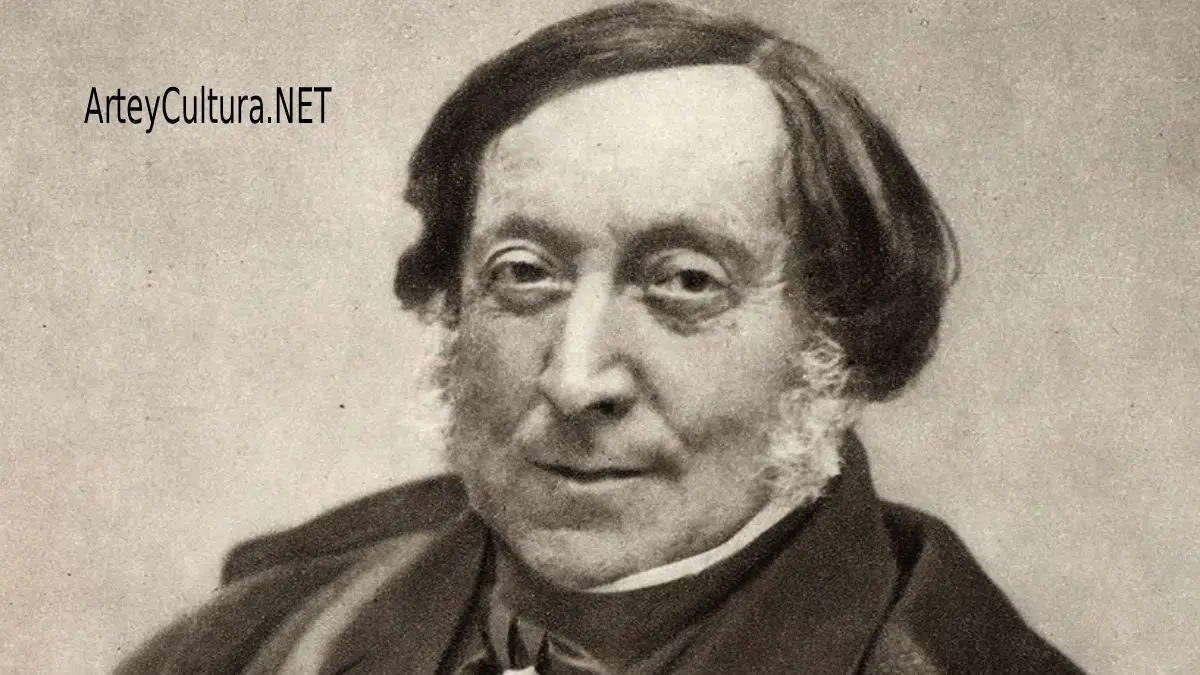
Gioachino Antonio Rossini was born in Pesaro on February 29, 1792, and died in Passy, Paris, on November 13, 1868. A composer of extraordinary speed and theatrical instinct, he renewed Italian comic opera while bringing equal ambition to serious drama.
A musician raised in the theatre
Rossini’s parents were professional musicians, and he grew up amid changing theatres and political conditions. He studied in Bologna, absorbed Haydn and Mozart, and wrote his first professional opera for Venice in 1810.
Success came rapidly. Before reaching thirty he had written works for Italy’s principal stages and developed music that demanded vocal agility, ensemble precision and acute comic timing.
A life through its places
This English documentary follows Rossini’s biography through Pesaro, Bologna, Venice, Naples and Paris. The geographical approach clarifies how different theatrical institutions shaped the variety of his operas.
The Barber of Seville
Premiered in Rome in 1816, The Barber of Seville endured a notoriously troubled first performance before becoming one of the world’s most frequently staged comedies. Figaro, Rosina and Count Almaviva move through disguises and social barriers with music of extraordinary momentum.
Figaro enters
This performance of Largo al factotum is treated as language-neutral musical evidence. Rapid articulation, repeated calls and accumulating energy turn a character introduction into a demonstration of Rossini’s theatrical rhythm.
The Rossini crescendo
A characteristic crescendo repeats a phrase while adding instruments and increasing dynamic force. The result is not merely louder sound: expectation tightens, individual action becomes collective machinery and comedy approaches controlled chaos.
Rossini also mastered ensembles in which several characters express different aims simultaneously. Musical order makes dramatic confusion intelligible.
Serious opera and William Tell
Works such as Tancredi, Otello and Semiramide demonstrate his command of serious opera. William Tell, premiered in Paris in 1829, combined political liberation, landscape and large-scale French grand opera.
After William Tell, Rossini largely stopped writing for the operatic stage. Health, changing taste and financial independence all contributed. Later sacred works and the witty Péchés de vieillesse show that he did not simply cease composing.
Achievements and legacy
- He composed thirty-nine operas across comic and serious genres.
- He refined bel canto writing and expanded the dramatic role of ensembles.
- His rhythmic structures influenced Bellini, Donizetti, Verdi and later comic music.
- His most famous overtures remain central to concert and popular culture.
Rossini’s legacy demonstrates that clarity and entertainment need not exclude sophistication. Beneath the apparent ease lies exact control of breath, timing, orchestral colour and human confusion.