Albert Camus: Absurdity, Revolt and Human Responsibility
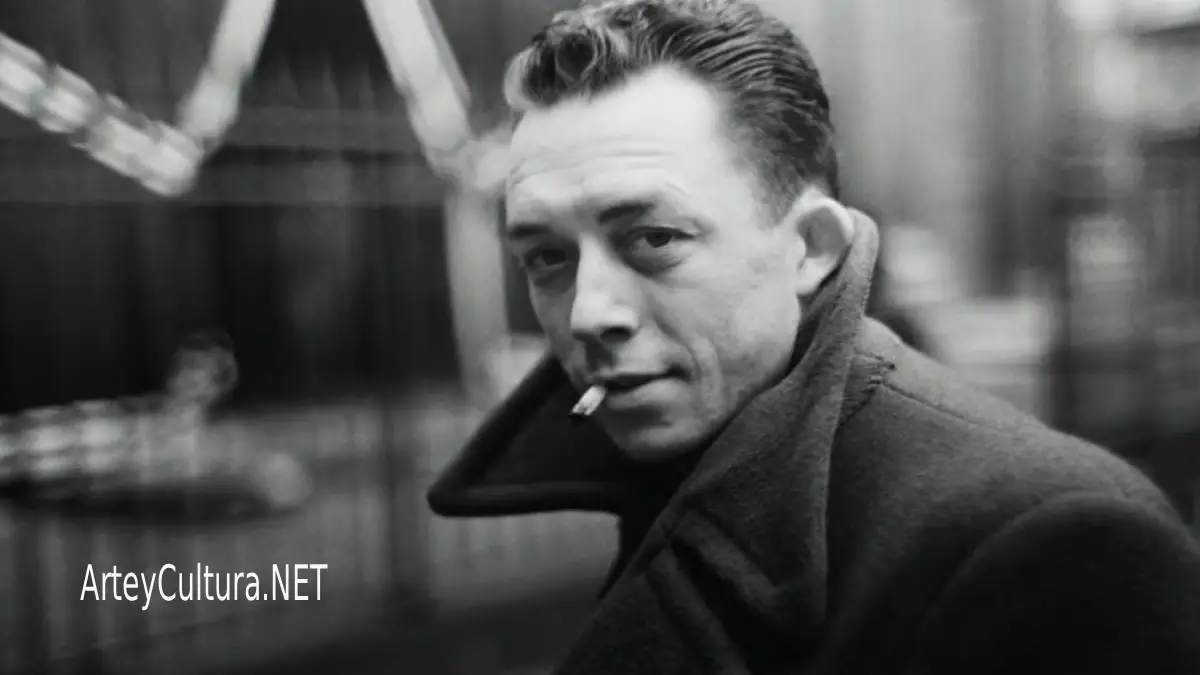
Albert Camus used fiction, drama, essays and journalism to ask how human beings can live lucidly and act with solidarity in a world without absolute answers.
Read article
Albert Camus used fiction, drama, essays and journalism to ask how human beings can live lucidly and act with solidarity in a world without absolute answers.
Read article
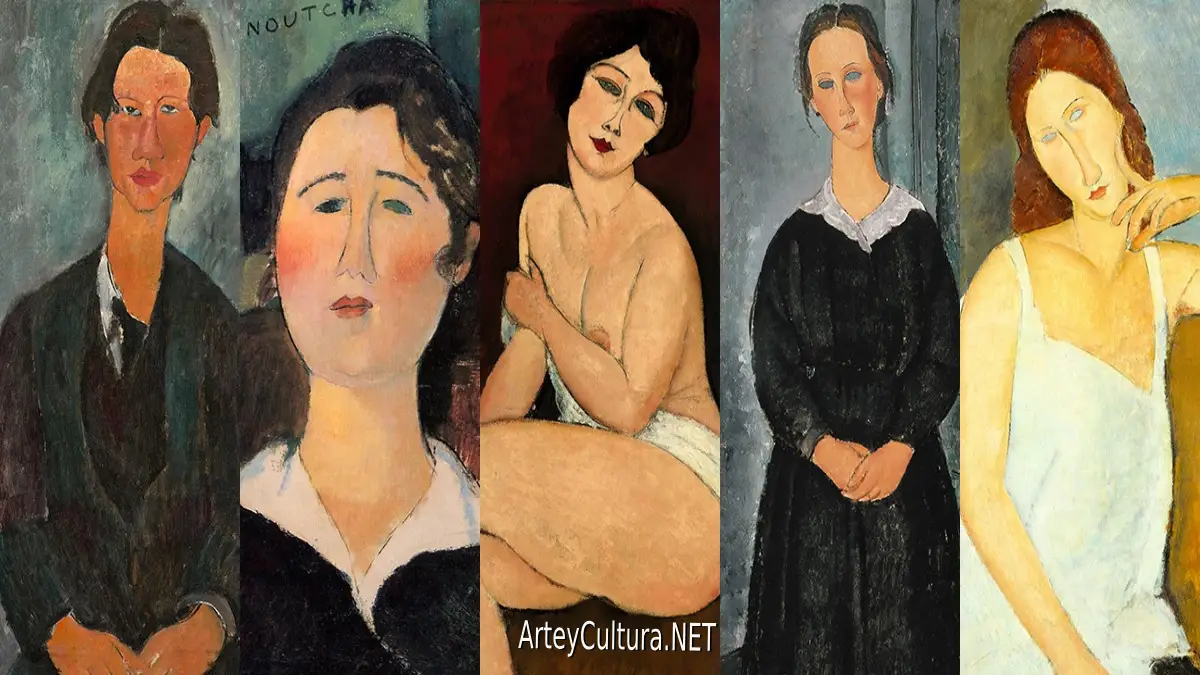
The women portrayed by Amedeo Modigliani reveal a distinctive modern language while inviting closer attention to named sitters, artistic agency and the ethics of looking.
Read article
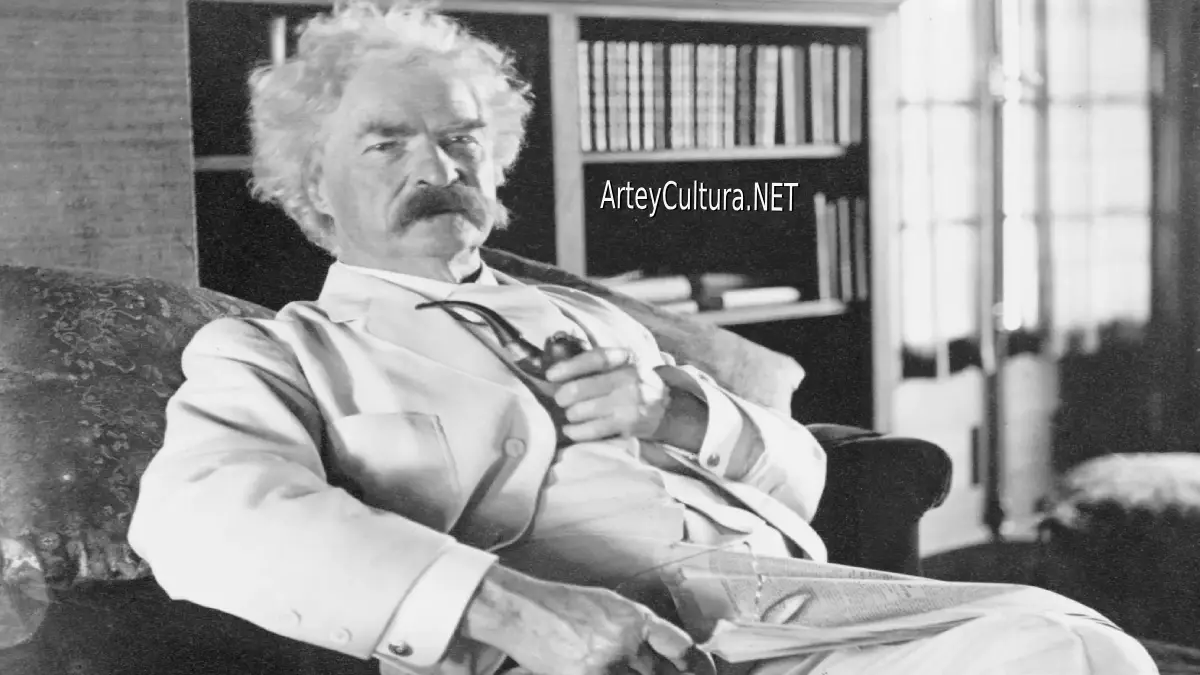
Mark Twain forged a vernacular literary voice from river life, journalism and performance, using humour to expose racism, greed, imperialism and self-deception.
Read article
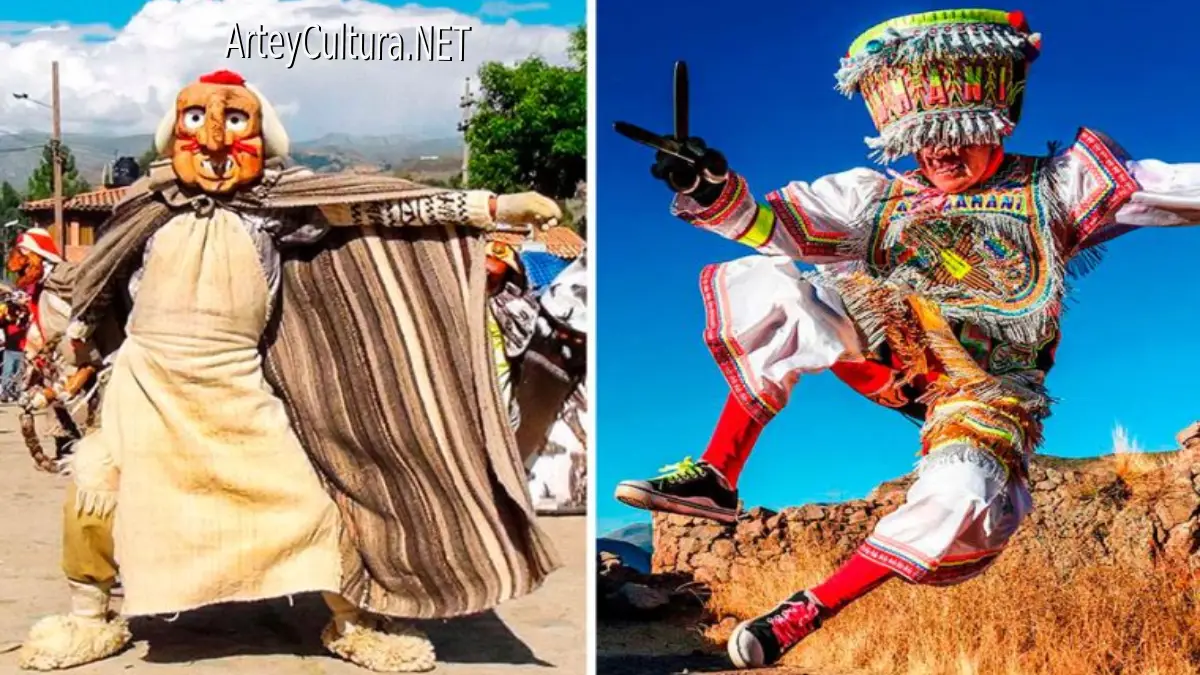
The Peruvian Scissors Dance and the Huaconada of Mito unite music, disciplined movement, ritual authority and intergenerational knowledge within living communities.
Read article
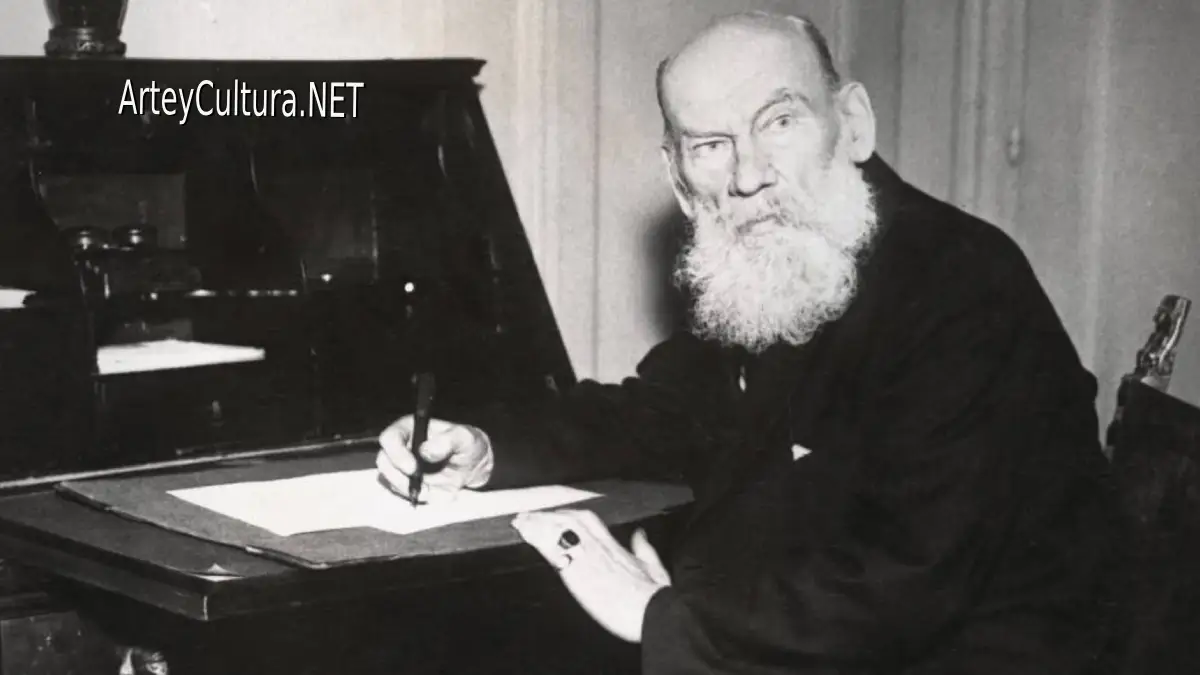
Leo Tolstoy joined panoramic history with intimate psychological observation before turning his fame toward education, nonviolence and radical ethical critique.
Read article
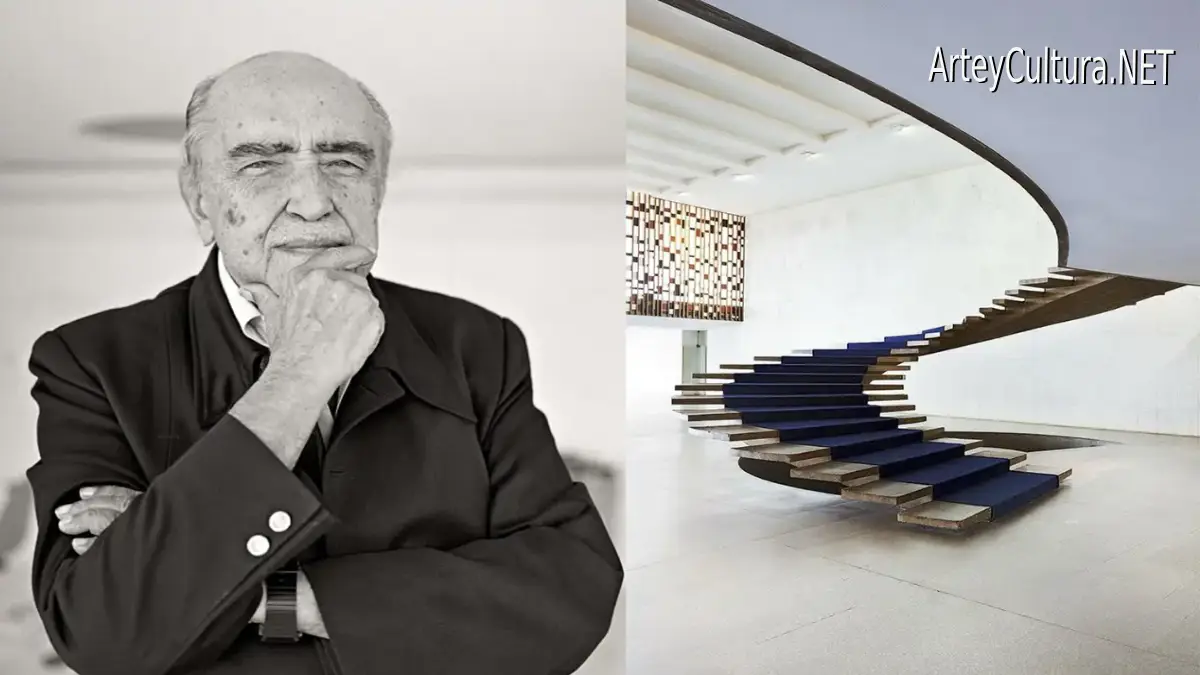
Oscar Niemeyer used reinforced concrete to create sweeping curves and monumental civic spaces that gave Brazilian modernism an unmistakable global identity.
Read article
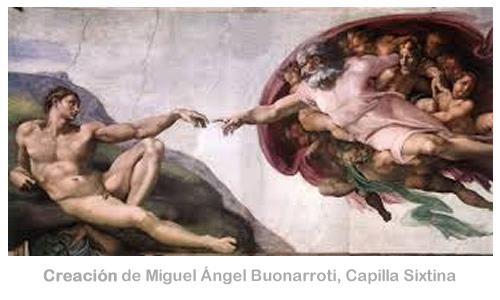
Michelangelo transformed marble, fresco and architecture through anatomical power and spiritual tension while negotiating patrons, workshops and immense public commissions.
Read article
Pablo Neruda moved between intimate lyric, surrealist darkness, everyday objects and continental history in a body of work inseparable from political controversy.
Read article
Gabriel Garcia Marquez fused Caribbean storytelling, historical violence and journalistic discipline into novels that transformed world literature and collective memory.
Read article