Jules Verne: Extraordinary Voyages Between Science and Imagination
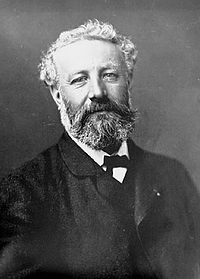
Jules Verne transformed geographical and scientific knowledge into compelling adventures whose machines, explorers and ethical conflicts still shape popular imagination.
Read article
Writers, poetry, books and literary thought.
Jules Verne transformed geographical and scientific knowledge into compelling adventures whose machines, explorers and ethical conflicts still shape popular imagination.
Read article
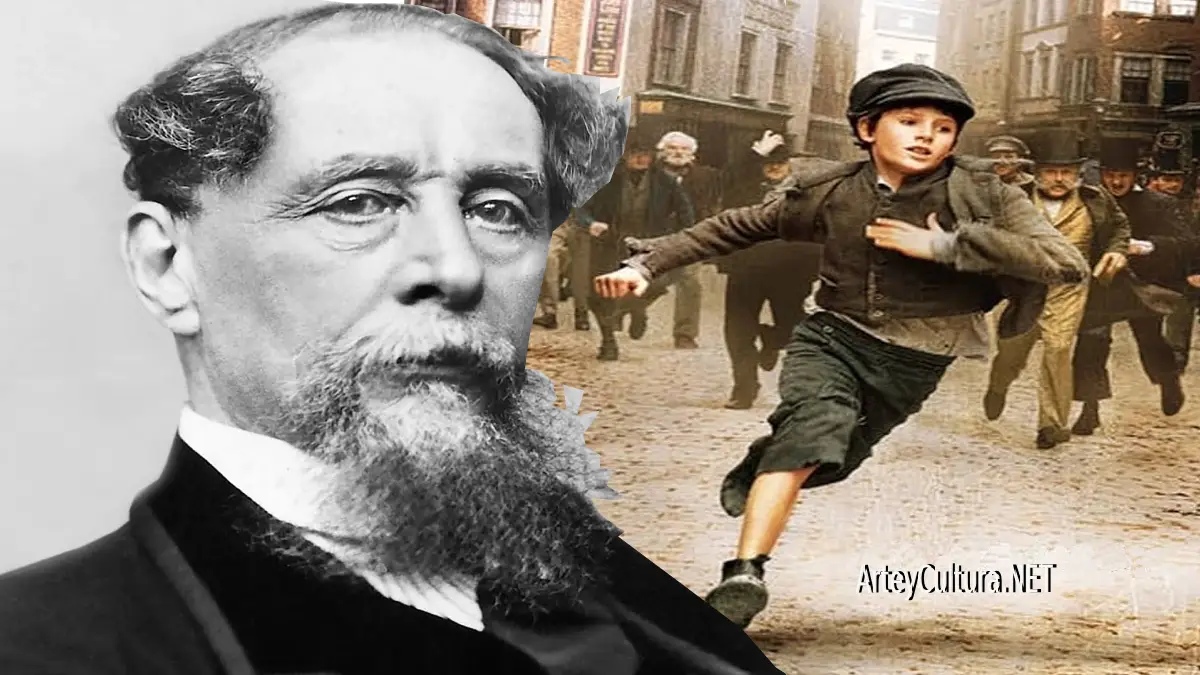
Charles Dickens transformed childhood hardship, urban observation and comic invention into novels that exposed inequality and reshaped popular literature.
Read article
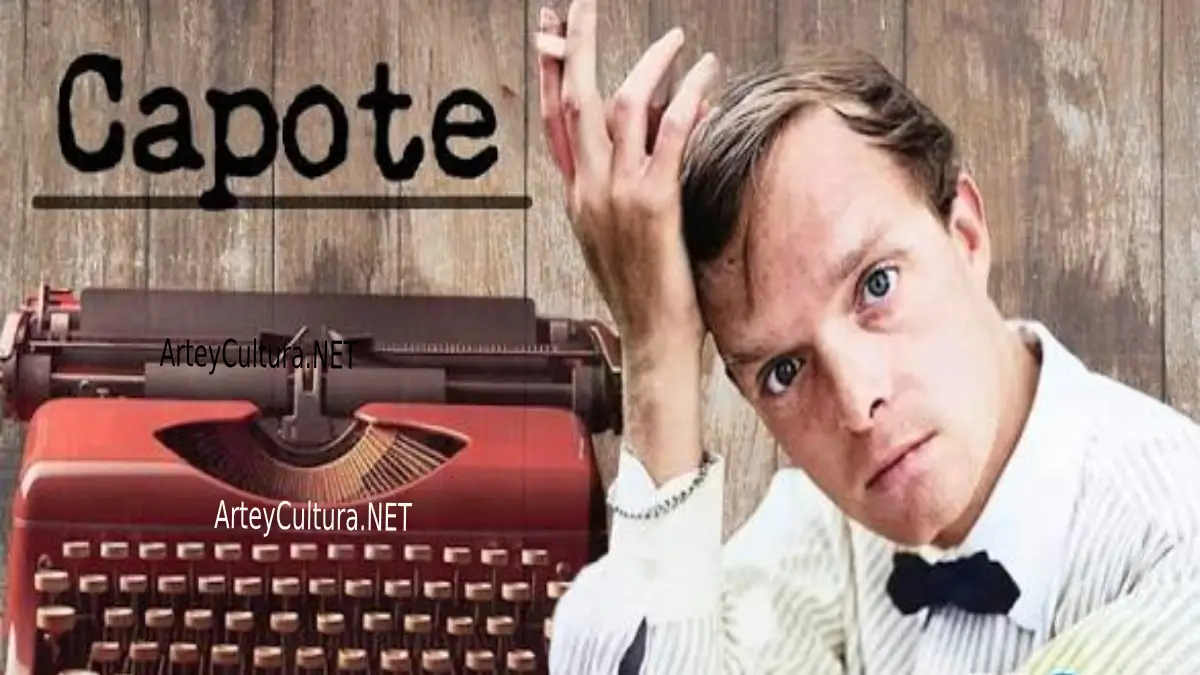
Truman Capote joined lyrical fiction, social observation and documentary research in a career whose brilliance and ethical tensions remain intensely debated.
Read article
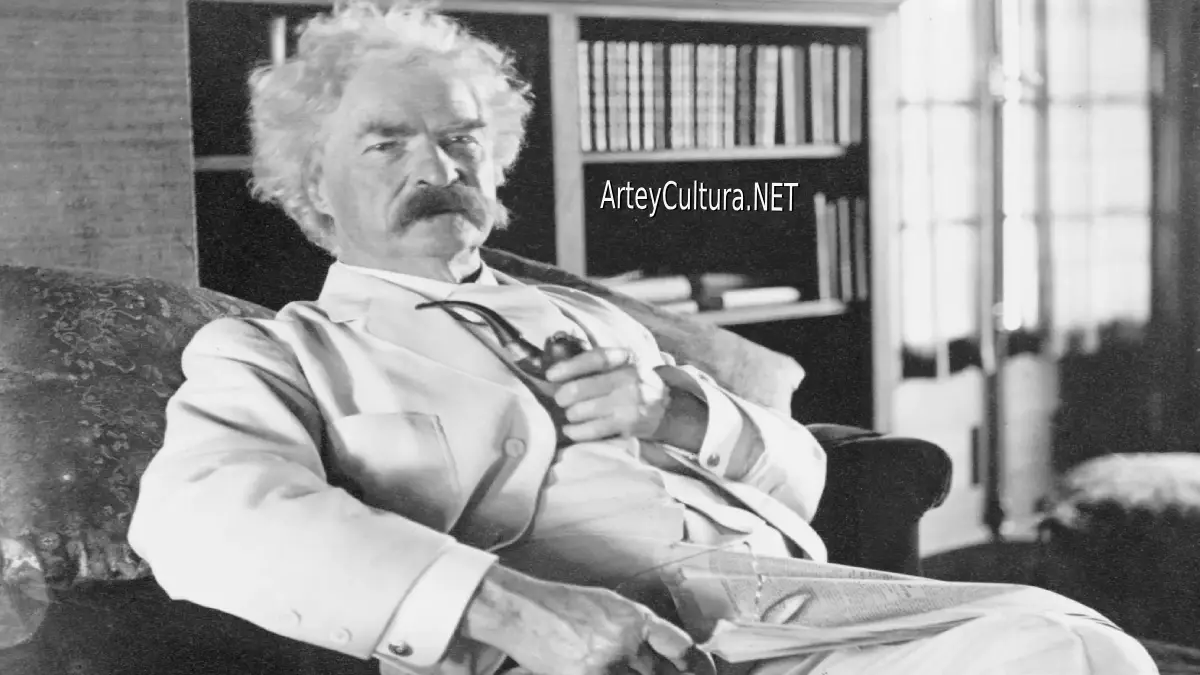
Mark Twain forged a vernacular literary voice from river life, journalism and performance, using humour to expose racism, greed, imperialism and self-deception.
Read article
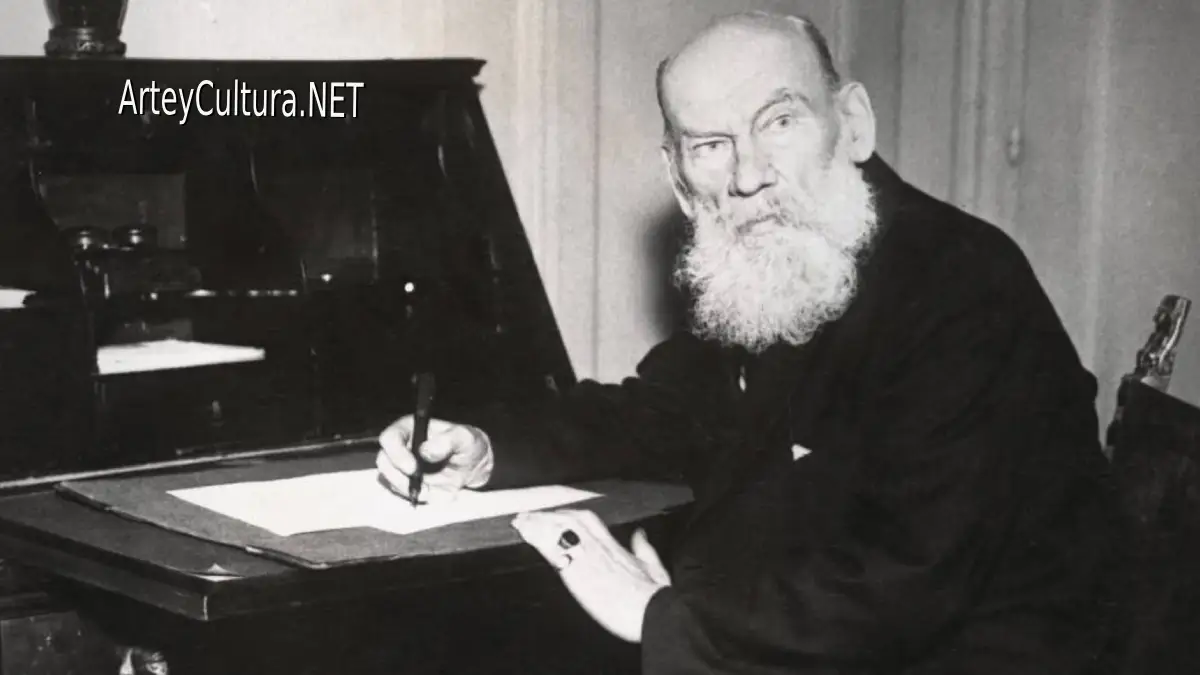
Leo Tolstoy joined panoramic history with intimate psychological observation before turning his fame toward education, nonviolence and radical ethical critique.
Read article
Pablo Neruda moved between intimate lyric, surrealist darkness, everyday objects and continental history in a body of work inseparable from political controversy.
Read article
Gabriel Garcia Marquez fused Caribbean storytelling, historical violence and journalistic discipline into novels that transformed world literature and collective memory.
Read article
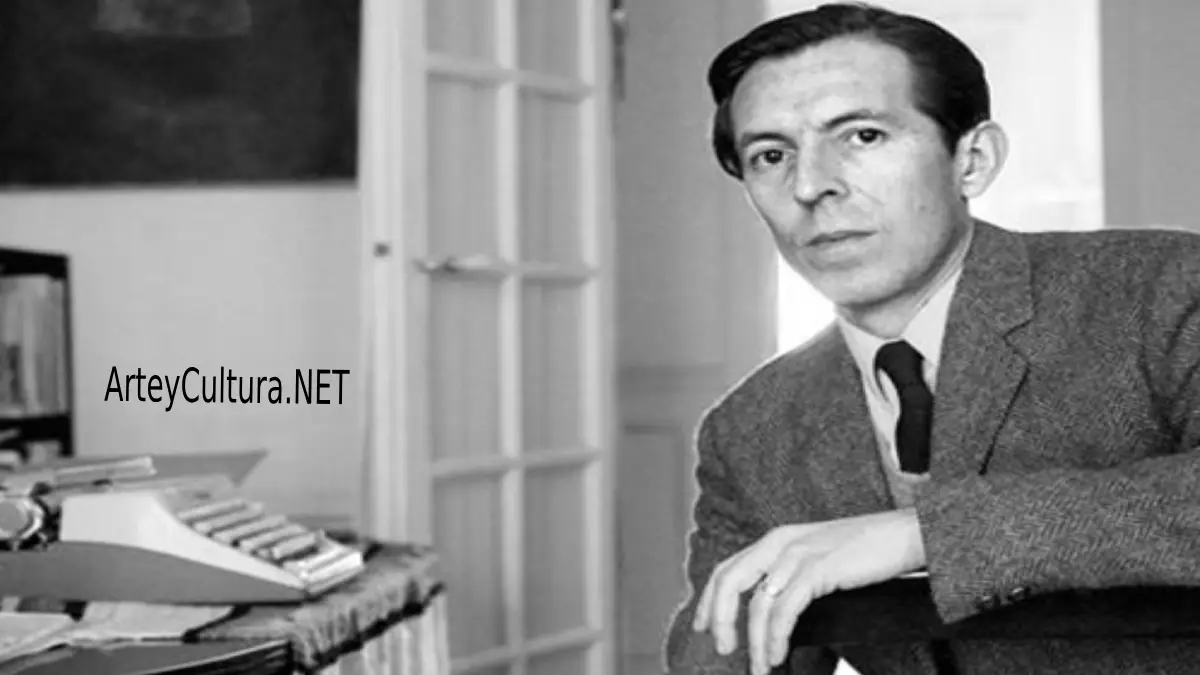
Julio Ramon Ribeyro made quiet lives, frustrated ambitions and unequal urban change central to lucid short stories governed by irony, restraint and compassion.
Read article
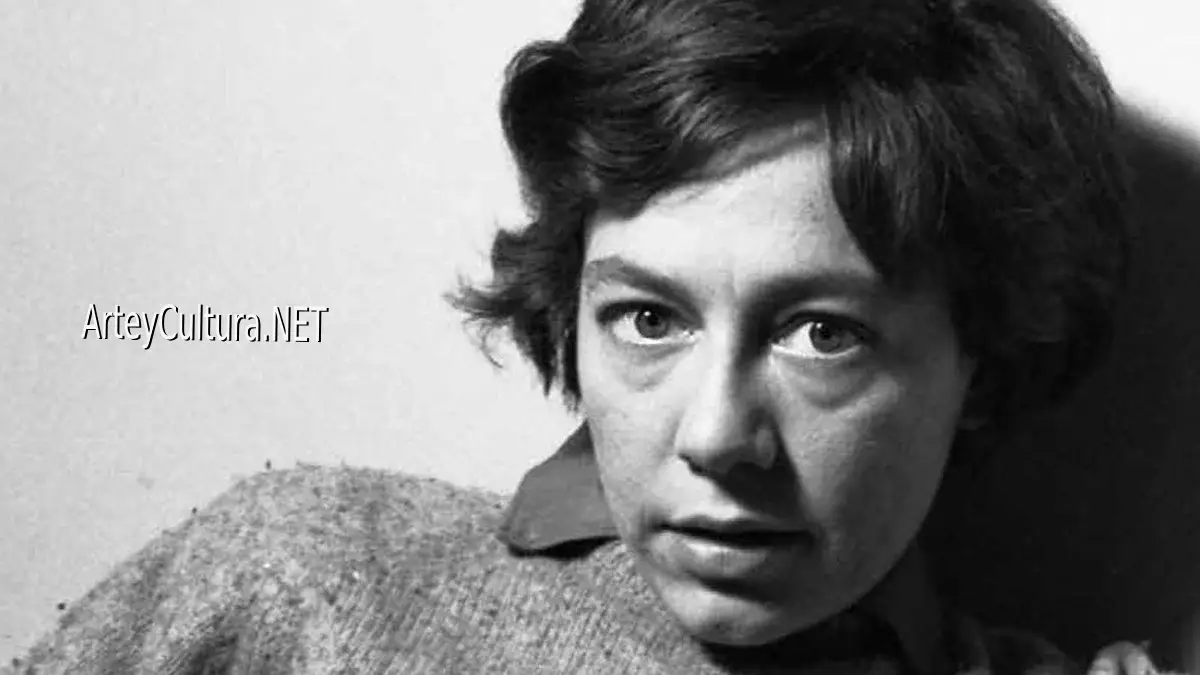
Alejandra Pizarnik compressed childhood, night, desire, identity and silence into an exacting poetry whose few words create extraordinary pressure and resonance.
Read article